

Housing Disrepair Solicitors
Claims for Pest Infestations
Our No Win, No Fee housing solicitors can assist you in making a claim related to rodent infestations, cockroaches, bedbugs, or other persistent pest problems in your home.
If you are a council or housing association tenant:
Experiencing recurring pest problems such as mice, rats, cockroaches, or bedbugs
Living in a property where infestations persist due to structural faults, gaps, leaks, or poor maintenance
You may be eligible to bring a claim against your Social or Council Landlord to have the necessary pest control and repairs carried out and to seek compensation for distress, health risks, or damage caused by infestations. Acting quickly can help prevent bites, contamination, and further property damage while ensuring your landlord meets their legal obligations.
FIND OUT IF YOU ARE ELIGIBLE TO CLAIM FOR REPAIRS AND COMPENSATION
What Counts as a Pest Infestation?
When pests turn a home into a health risk
What the law expects from landlords
You notice small things first. Scratching behind a wall. A stale, sour smell near the bin store. A smear along the skirting. You clean. You spray. You hope it goes away. Then you wake to bites on your arms, or find droppings in the cupboard again. That’s not “one of those things.” In housing disrepair law, recurring pests are a red flag for a deeper fault that the landlord must fix.
Infestations usually start quiet and scale fast: one mouse becomes many, cockroaches move through pipe chases in blocks of flats, bedbugs hitch a ride in a suitcase and set up in mattress seams. It isn’t about cleanliness when the problem keeps returning; it’s about the building.
Gaps around pipes, broken vents, cracked brickwork, leaky or unsealed drains, poor sealing between floors and walls — these are entry points. If your landlord delays and the pests keep coming, you may have a housing disrepair claim for repairs and compensation.
Across England and Wales, councils log thousands of complaints each year, with a big share coming from rented homes. The pattern is familiar: reports are made, cheap traps get laid, nothing structural is fixed, and the problem rolls on. You aren’t expected to live with that. The law requires rented homes to be safe, sanitary, and fit for human habitation. That includes being reasonably free from rodents, insects, and bedbugs.
For the full claim process (evidence, timelines, protocols), see our Housing Disrepair Claims UK – Pillar Page. For sewage-linked issues or drainage faults that drive infestations, check the Sewage & Sanitation Failures – Cluster Page.
UK housing law treats infestations as a health and safety failure, not a nuisance.
Landlord and Tenant Act 1985, s.11.
Landlords must keep the structure and exterior in repair. That includes walls, floors, drains, roofs, external doors and windows, and fixed installations for water and sanitation. If pests enter through defective vents, crumbled brickwork, failed sealant around pipes, or damaged drains, that’s squarely the landlord’s job to fix.
Public Health Act 1936 & Environmental Protection Act 1990
Many infestations count as a statutory nuisance. Environmental Health can investigate, issue abatement notices, and prosecute landlords who ignore defects. Councils can also arrange pest control services and bill private landlords when they refuse to act.
Homes (Fitness for Human Habitation) Act 2018
This modern duty wraps the above into one standard: a home with persistent pests, droppings, contamination, or bites can be legally “unfit.” Landlords can’t ignore that and carry on collecting rent without addressing the defects.
Once you report an infestation, the landlord is “on notice.” From that point, delays, superficial treatments, and failure to fix entry routes all count against them in a housing disrepair claim.
Free case review. Expert advice. Regulated and insured solicitors.
When Landlords Breach Their Duty
What the Law Requires in Practice
Common breaches include:
● Ignoring written repair requests.
● Sending contractors who perform quick fixes that fail again.
● Refusing to replace outdated, unsafe boilers.
● Delaying work due to “budget approvals” or “waiting for parts” for weeks.
Once you’ve reported the issue and the delay becomes unreasonable, your right to compensation arises automatically.
Evidence Tenants Should Gather
A strong case depends on proof that the heating or hot water failed, that you reported it, and that the landlord delayed repairs. The more organised your evidence, the easier it is for solicitors to recover compensation.
Proof of Reporting
Always start with written notice.
Send an email or message that includes:
● The problem (“no heating since Sunday,” “boiler not turning on”).
● Date and time you noticed it.
● Any previous attempts at repair.
● A request for urgent repair / emergency repair
Keep every message. Once the landlord receives written notice, their legal clock starts ticking.
Landlords must:
● Keep heating and hot-water systems in proper working order throughout the tenancy.
● Repair or replace faulty boilers and radiators as soon as they’re told of a breakdown.
● Provide temporary heating or washing facilities if delays occur.
● Use qualified Gas Safe or OFTEC engineers for boiler work.
They can’t pass repair costs to tenants or ignore complaints during cold months.
Temperature & Duration Records
Keep a daily log:
● Indoor temperature (use a thermometer app or small digital reader).
● Date and time you checked.
● Any response from the landlord or contractor visits.
If your home stays below 16 °C for days then its crucial evidence of a habitable living environment breach. And supports your claim under the “Excess Cold” standard.
Supporting Documents
Attach:
● Utility bills showing higher electricity costs from plug-in heaters.
● Medical notes if anyone became ill from the cold.
● Engineer or plumber reports confirming the fault.
● Council inspection letters under HHSRS
Claim the Compensation You Deserve
Free review. No Win No Fee.
What counts as an infestation under UK standards
Landlord responsibilities in practice
Not every summer ant trail is a claim. The law looks at scale, persistence, and impact. Brief, isolated sightings rarely qualify; recurring rodents, cockroaches, or bedbugs that affect daily living do.
Common problem categories:
● Rodents: rats and mice nesting behind units, under floors, in loft voids.
● Insects: cockroaches, silverfish, ants, flies that spread through voids and service risers.
● Parasites: bedbugs or mites in mattresses, sofas, skirting, and furniture joints.
Legally, persistence matters. If pests keep returning after you’ve cleaned and used household measures, there’s likely a building or maintenance fault to fix. Treating only the symptom (spray, trap, gel) without sealing entry points or repairing drains is not compliance.
How infestations start (and why they keep coming back)
This is building science, not mystery.
● Rodent access: thumb-width gaps around pipes; crumbling brick; broken air bricks; loose external doors; unsealed floor edges; defective bin stores. Once inside, they nest in voids you can’t reach.
● Cockroaches: spread through pipe ducts, service risers, and shared areas in rented property blocks.
● Bedbugs: hitchhike on luggage, clothing, furniture. Hygiene doesn’t prevent them. Without specialist treatment and sealing of cracks and seams, they rebound.
● Moisture drivers: leaks, damp, and faulty drains create conditions pests love. Overgrown external areas and poor bin management attract rats and flies.
In blocks of flats, shared spaces are the landlord’s responsibility — hallways, bin stores, basements, service shafts. You can’t control those. If pests are entering through the fabric (walls, floors, drains), the issue is structural under s.11. That’s landlord territory.
Health risks you shouldn’t ignore
Pests are not just unpleasant; they can cause serious harm and long-term health problems, making the home unfit for human habitation and strengthening a housing disrepair claim. A pest infestation that exposes residents to contamination, bites, allergens, or damaged property is a breach of the landlord’s responsibility and may trigger enforcement action by local authorities or Environmental Health.
● Rodents: carry leptospirosis (Weil’s disease), salmonella, and other pathogens; urine contaminates surfaces; gnawing can spark fires or burst plastic pipes.
● Cockroaches: spread bacteria from drains to food prep areas; droppings can trigger asthma, eczema, and allergic reactions, especially in children.
● Bedbugs: don’t transmit disease, but cause persistent bites, skin infections from scratching, sleep loss, anxiety, and social stress. Courts recognise “loss of amenity” and distress.
For vulnerable tenants — children, elderly people, and those with respiratory illness — the impact is higher, and response should be faster. HHSRS assessments reflect that.
Once you report the problem in writing, landlords responsible for repairs must act promptly.
● Rodents (rats/mice): inspection and treatment within 24–48 hours is reasonable.
● Cockroaches/bedbugs: prompt instruction of specialist pest control, usually within days.
What “acting properly” looks like:
Inspect to find how pests enter and spread (including shared voids).
Repair defects: seal penetrations, fix drains, repair vents/brickwork, improve door and floor sealing.
Use qualified pest-control contractors with building-wide plans where needed.
Treat all affected areas, not just the visible hot spots.
Make good any damage: gnawed wiring, holes, ruined insulation or boarding.
Keep records of visits, methods, and chemicals used.
If they ignore you, Environmental Health can assess under the Housing Health and Safety Rating System (HHSRS). Significant infestations are often “category 1 hazards,” triggering improvement notices or emergency works. Councils can do works in default and bill the landlord. Some tenants also recover part of their rent for the period the property was unfit.
Tenant responsibilities (keep it simple, keep it recorded)
Your legal duties are basic: take reasonable care of the home, dispose of rubbish properly, and report problems quickly.
You’re not expected to become a pest technician or to fund structural repairs.
Do three things well:
● Report in writing (email, portal, text) with dates and photos.
● Co-operate with inspections and treatments (allow access).
● Keep records of all contact and visits.
A spotless home can still get pests if there are entry points, damp conditions, or structural issues. If the landlord claims it’s your fault, proof will matter — and your paper trail is your shield.
Warning signs (and what to note)
You often hear pests before you see them.
Typical signs:
● Rodents: scratching at night, droppings (small black grains for mice; larger, raisin-like for rats), gnawed packaging, shredded insulation, oily rub marks on skirting, damaged cables.
● Cockroaches: musty, sweet smell; smear marks; egg cases (ootheca); sightings when lights flick on; trails near warmth and moisture (boilers, fridges).
● Bedbugs: tiny blood spots on bedding; bites on arms/torso; shell casings in seams; clusters near headboards, skirting, and sockets.
Log each sign with date, location, and photos. You aren’t expected to identify the species — professional pest control will. Your job is to show it’s been happening and that you reported it.
Start your claim today
Upload photos or a short description of your damp or mould issue. A housing solicitor will review your case within one working day and tell you exactly what you can claim for.
Claim Now
Evidence that wins infestation claims
What compensation looks like
Strong housing disrepair claims are built on steady, boring proof:
● Photos/videos of droppings, pests, gnawing, contaminated food, damaged units.
● Written reports to the landlord (emails/texts). Follow up verbal chats with a quick confirmation message.
● Pest-control or council reports with findings and cause analysis.
● Medical notes if bites, rashes, infections, or anxiety were treated.
● A timeline:
○ 17 April – Reported mice in kitchen with photos.
○ 23 April – No response; more droppings in lower cupboard.
○ 28 April – Council inspection; active infestation confirmed; suspected pipe gap behind units.
Once your solicitor has this, they issue a Letter of Claim under the housing disrepair pre-action protocol. The landlord has 20 working days to respond. Most cases settle after disclosure of defects and proper estimates for repair and treatment.
When you can bring a claim
You can usually claim when:
● The infestation affects your health, comfort, or ability to use rooms.
● You reported it in writing.
● The landlord failed to take proper action in a reasonable time.
● Structural issues, broken vents, gaps, or faulty drains allowed pests in.
● Local council or Environmental Health identified risks or statutory nuisance.
Claims can be made for past harm even if the infestation is eventually resolved. Limitation is usually six years.
If you’re getting finger-pointed “tenant-caused,” stay calm. Your evidence, the building defects, and any council assessment will carry more weight than blame games. Tenancy agreement obligations do not override the landlord’s responsibility for structure and exterior defects.
Compensation in housing disrepair is about fairness, not punishment. Broadly, three heads:
General damages for distress, inconvenience, loss of amenity (lost sleep, avoidance of rooms, limited use of kitchen/bedrooms).
Special damages for out-of-pocket loss (contaminated food, destroyed furniture, deep cleaning, laundrette runs, pest sprays you bought, temporary hotel nights).
Rent reduction/refund for the period the property was partly or wholly unfit.
Indicative ranges used by courts and practitioners:
| Severity | Duration | Percentage of Rent |
|---|---|---|
| Minor / short delay | ≤ 2 weeks | 10–20% |
| Moderate / recurring | 1–3 months | 25–40% |
| Severe / prolonged | 3+ months, clear health impact or widespread loss of use | 50–100% |
Example: a South London family lived with cockroaches for five months. Three superficial spray visits, no drain repair. Environmental Health later found a broken stack connection behind the kitchen wall. Result: ~45% rent refund for affected months, plus replacement costs for food and some units.
Every case is fact-specific. Your solicitor will estimate value using case law, rent levels, medical notes, and the length and severity of the disrepair.
Call for free case assessment and expert legal advice. We are a firm of regulated and insured Solicitors.
Prevention once the dust settles
Quick reference: signs and first steps
A proper settlement should include repair work that stops pests returning. Long-term prevention is part of the landlord’s responsibility under the Landlord and Tenant Act and Homes Act standards, especially where the infestation was caused by structural defects, entry points, or shared area faults in a rental property.
Landlord side:
● Seal pipe penetrations, gaps, and floor/door edges
● Repair or line drains that attract pests
● Fix broken vents, defective brickwork, and structural issues
● Maintain bin stores to prevent pests such as rats and other pests
● Schedule block-wide pest control when needed
● Inspect between tenancies (private landlords and housing associations alike)
● Fix leaks, damp, and moisture sources quickly
Tenant side:
● Report early signs of any pest problem
● Keep food sealed and dispose of rubbish properly
● Allow access for pest control service visits and inspection
● Maintain reasonable cleanliness but remember: a spotless home can still suffer insect infestation if the building is compromised
● Scratching at night + droppings under sink → likely mice or rats.
This supports a mice infestation landlord claim. Email photos and request pest control within 24–48 hours. Note the times you hear scratching and the locations of droppings; consistent tracking strengthens your claim.
● Musty, sweet smell + egg cases + fast-moving brown insects at night → cockroaches.
Request specialist treatment and inspection of shared risers/drains. Document sightings over several days and take photos of any trails or egg cases for evidence.
● Tiny blood spots on sheets + clustered bites + specks in mattress seams → bedbugs.
Ask for professional heat/chemical treatment for rooms and adjacent units as needed. Include notes on who was bitten, when, and any medical visits, as this can support compensation claims.
You don’t need to name the species. Your written report with photos is enough to trigger the landlord’s duty. Consistency, timelines, and clear documentation are key; the more detail you keep, the stronger your housing disrepair claim becomes.

How solicitors run infestation claims
The steps are predictable and low-stress for tenants:
Evidence review: photos, messages, receipts, any council reports.
Letter of Claim: cites s.11 LTA 1985, Homes Act 2018, nuisance where relevant, HHSRS risk, and sets out the remedy sought (repairs + compensation).
Response window: 20 working days under the protocol.
Surveyor or expert where needed: to nail cause and scope of repairs.
Settlement or proceedings: many cases settle once the landlord sees the cost of delay. Most firms run this on a No Win No Fee basis. If your home is unsafe, they can also press for temporary accommodation while the claim runs.
Claim the Compensation You Deserve
Free review. No Win No Fee.
Additional Services We Offer
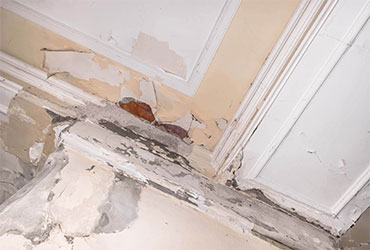
Damp Issues
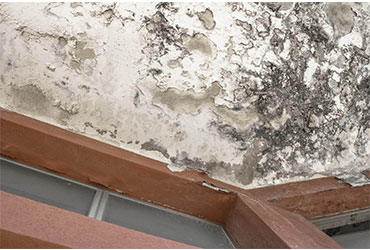
Mould Issues
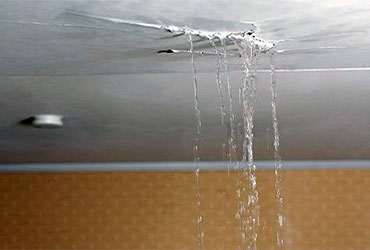
Water Leaks
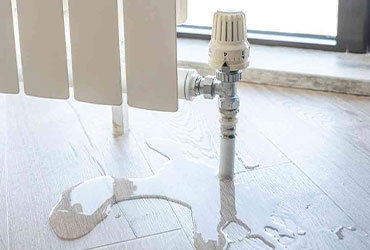
Heating Issues
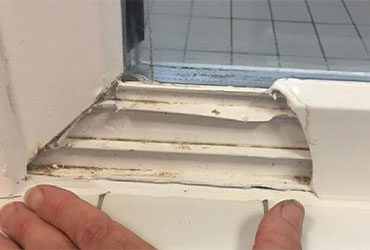
Damaged Windows
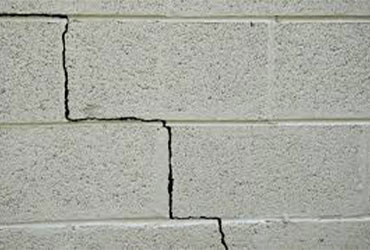
Structural Issues
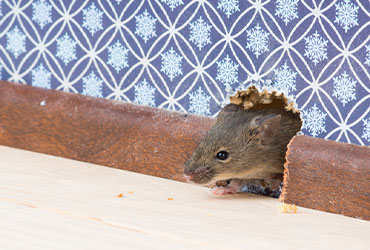
Infestations
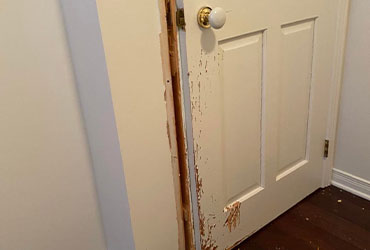
Broken Doors
Electrical Issues
Call for free case assessment and expert legal advice. We are a firm of regulated and insured Solicitors.
No win, no fee. Our team are on hand, ready to help.
Why choose SLS Solicitors?
We strive to achieve the best possible result and solution for every one of our clients through our expertise and passion. We are straight talking, approachable and understanding.
Client care is at the very top of our priorities and you can be sure that we will look after you in your times of need.
You will be kept up to date throughout the process and we will only ever be a phone call or e-mail away.
Related Questions
Do I have to pay for pest control?
No. If the infestation comes from structural defects, drains, shared areas, or other landlord-controlled spaces, pest control and necessary repairs are the landlord’s responsibility once notified.
What if the landlord blames my housekeeping?
Proof decides. If you keep the place reasonable and the pests track to gaps, drains, or shared risers, the blame doesn’t stick.
Can I claim if the infestation is now fixed?
Yes. You can claim for the period you suffered: lost sleep, loss of use, costs, and rent reduction for those months.
How fast should the landlord act?
Rats/mice: within 24–48 hours.
Cockroaches/bedbugs: prompt specialist action within days.
Longer delays without good reason strengthen your case.
Will a council inspection help?
Often. HHSRS ratings and improvement notices add weight and can force action. Keep copies for your records.
What if the pests spread from a neighbour’s flat?
That’s a landlord/block management issue. Building-wide plans are required. You are not responsible for other units.