

Housing Disrepair Solicitors
Claims for Electrical Hazards – Landlord Responsibilities
Our No Win, No Fee housing solicitors can assist you in making a claim related to unsafe electrics, faulty wiring, or other electrical disrepair.
If you are a council or housing association tenant:
Experiencing electrical faults such as flickering lights, warm or sparking sockets, or frequent power outages
Living in a property with unsafe wiring or other electrical hazards that put your safety at risk
You may be eligible to bring a claim against your Social or Council Landlord to have the necessary electrical repairs carried out and to seek compensation for any injuries, damage to belongings, or distress caused by unsafe electrics. Acting quickly can help prevent fire, electric shock, and other serious hazards while ensuring your landlord meets their legal obligations.
FIND OUT IF YOU ARE ELIGIBLE TO CLAIM FOR REPAIRS AND COMPENSATION
Why Electrical Safety in Rented Homes Matters
What the Law Says About Electrical Safety
A small spark can turn into a fire and destroy an entire home. Most electrical faults start quietly in homes—a socket that warms up, a light that flickers, or a fuse that keeps tripping. In rented homes, these are more than just minor irritations. They’re warning signs that your landlord may not be keeping the property safe. Across England and Wales, thousands of electrical fires happen every year. According to the London Fire Brigade, faulty wiring and appliances cause over half of all accidental house fires. Many of these could have been prevented with regular inspections and proper repairs.
When you rent a home, you trust that the wiring behind the walls won’t put your family at risk. The law agrees. Your landlord must make sure the electrics are safe from the day you move in and keep them safe for as long as you live there. Electrical disrepair isn’t just about burnt sockets or broken fuses. It affects everything connected to power—lighting, heaters, cookers, showers, and even charging ports. A neglected system can damage your belongings, shock someone using a plug, or, in serious cases, start a fire overnight.
Tenants often assume they have to live with these problems until renewal time. You don’t. If your landlord ignores repeated warnings, the law gives you the right to take action, force proper repairs, and claim compensation for unsafe living conditions. If you’re unsure where to begin, visit our Housing Disrepair Claims UK Page for a complete guide on how the claims process works and what evidence you’ll need.
Even minor electrical faults, if ignored, can quickly escalate into serious hazards that threaten life and property. Early reporting and proper documentation not only protect your household but also strengthen any legal claim you may make. Landlords who delay repairs are legally liable for injuries, property damage, and emotional distress caused by unsafe electrics. Acting promptly ensures that hazards are addressed before they result in fire, shock, or other preventable accidents.
Electrical safety rules in England and Wales are strict and for good reason. Faulty wiring can kill. That’s why the law places full responsibility on landlords to keep electrical systems working and safe.
Key Laws That Protect Tenants
Landlord and Tenant Act 1985 (Section 11)
This is the main repair duty. It requires landlords to keep all electrical installations “in repair and proper working order.” That includes wiring, sockets, switches, and any fixed appliances they provide.
Homes (Fitness for Human Habitation) Act 2018
Even if everything technically “works,” your home must still be safe to live in. If the electrics are dangerous—exposed wiring, sparks, tripping circuits—the property can be legally classed as “unfit for human habitation.”
Electrical Safety Standards in the Private Rented Sector (England) Regulations 2020
Private landlords must have an EICR (Electrical Installation Condition Report) done by a qualified electrician every five years. They must fix any problems listed in the report within 28 days, or sooner if urgent. Failing to meet these rules isn’t a small slip. Councils can issue civil penalties of up to £30,000, or even ban a landlord from renting the property again.
If a fire or injury occurs because these duties were ignored, the case can fall under the Defective Premises Act 1972, making the landlord liable for any harm caused by their neglect. Public housing landlords, councils, and housing associations are also bound by these laws. No one is exempt. For issues linked to damaged walls or ceilings caused by faulty wiring, see our Structural Damage Page to understand how different repair duties overlap.
Free case review. Expert advice. Regulated and insured solicitors.
What Counts as an Electrical Hazard
Common Causes of Electrical Disrepair
An electrical hazard means anything that makes using the power in your home unsafe. The definition is simple: if it can shock, burn, or start a fire, it’s a hazard. Here are the most common examples found in rented homes:
Exposed or frayed wiring behind furniture or near skirting boards.
Flickering lights or power cutting out for no clear reason.
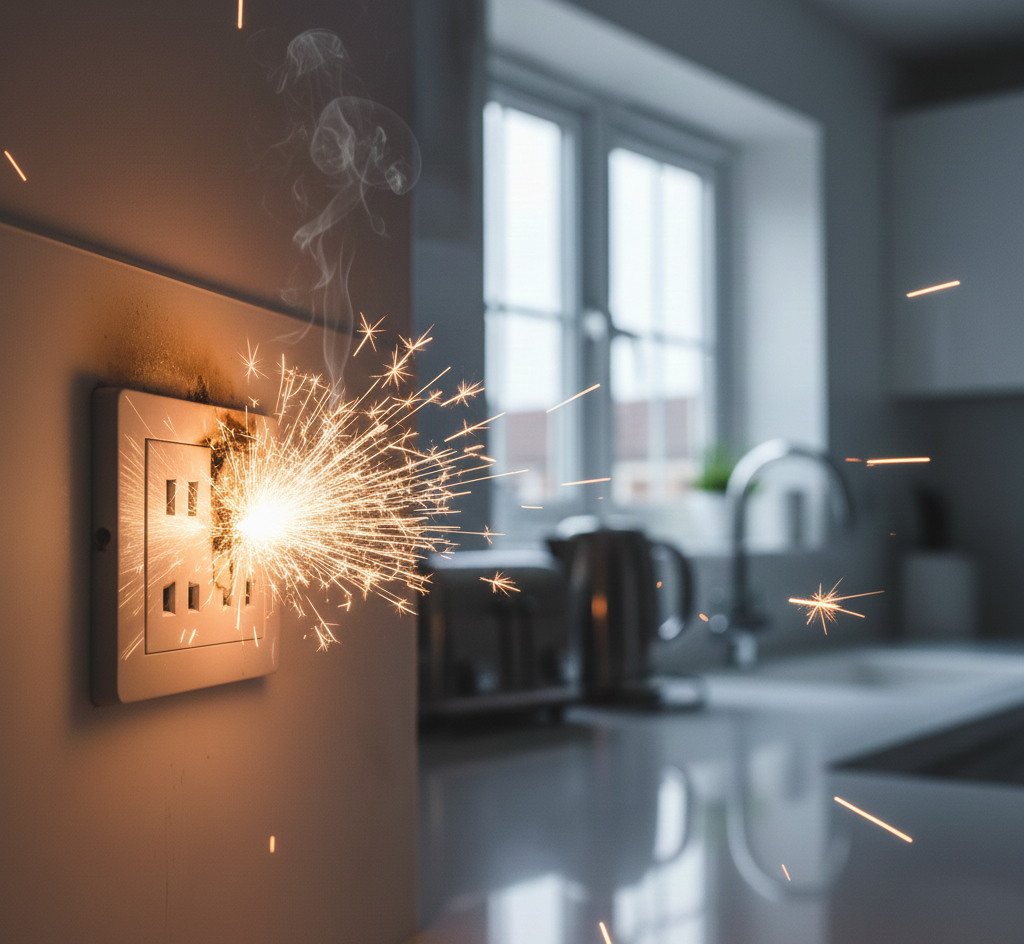
Burn marks or melted plastic around sockets and switches.
A faint buzzing or crackling sound when you plug something in.
Fuses tripping often, especially when using normal appliances.
Damp patches near switches, lights, or plug points.
Each of these points to a system that’s not properly maintained. Landlords must not wait for visible sparks to act; the duty to repair begins the moment a fault is known or reported.
H3: Minor Fault vs Legal Hazard
| Example | Classification | Expected Repair Time |
|---|---|---|
| Flickering lights | Minor issue | Within 7 days |
| Socket giving shocks | Hazard | 24–48 hours |
| Fuse box tripping repeatedly | Hazard | 48 hours |
| Burning smell near plugs | Severe hazard | Immediate action (same day) |
Electrical problems can escalate fast. What starts as flickering may turn into scorched wiring inside the walls. Landlords should arrange professional inspections early, not after the fire brigade arrives. If your landlord keeps delaying or using temporary fixes, you have the right to report the issue to your local council or start a housing disrepair claim. That’s often the only way to get lasting repairs and proper compensation.
Electrical hazards don’t appear out of nowhere. Most of them build up slowly, over months or even years, because repairs were ignored or shortcuts were taken. The most common causes include:
Old or outdated wiring: Many rented homes still run on wiring from the 1980s or earlier. The insulation breaks down over time, increasing the chance of shorts and fires.
Water damage: A leak from the roof or a burst pipe behind a wall can reach the wiring. Once moisture touches a live wire, it can cause sparks, shocks, or full power loss. (See our [Leaks & Plumbing Failures – Cluster Page] for how water damage ties into disrepair claims.)
DIY repairs by landlords or handymen: Electrical work must be done by a qualified engineer, not by someone “handy with tools.” Quick patch jobs often hide bigger dangers.
Overloaded circuits: Older fuse boxes can’t handle today’s appliance load. Heaters, dryers, and chargers running together can blow circuits and melt wires.
Neglect between tenancies: Some landlords only react when a tenant complains. They skip inspections between tenants, letting faults pile up over years.
A study by Electrical Safety First found that nearly 40% of tenants in England have lived in a property with electrical issues, and 1 in 8 experienced a shock or fire risk as a result. Landlords can’t use cost as an excuse. Electrical upkeep isn’t optional; it’s part of their legal duty to maintain the property safely. Ignoring that duty turns normal wear and tear into a life-threatening risk.
Even small faults, like a flickering light or a warm socket, can escalate quickly into major fires or shocks if left unchecked. Tenants living in properties with repeated electrical issues are at higher risk of injury and property damage. Landlords are legally responsible for preventing these hazards, and failure to act can lead to civil claims, enforcement action, and substantial fines. Taking action early is essential to protect both safety and legal rights.
Claim the Compensation You Deserve
Free review. No Win No Fee.
Tenant Warning Signs and First Steps
When Landlords Breach Their Legal Duty
Electrical problems rarely start with drama. They start small—a burning smell near the socket, the plug that feels hot to touch, or the TV flickering when you turn on the kettle. These are not coincidences; they’re signs of danger.
What Tenants Should Watch For
Lights that dim or flicker for no reason.
A slight buzzing or crackling sound near switches.
Sockets that give small shocks or spark when plugging in.
The smell of burning plastic, even faintly.
Fuses that trip or breakers that reset often.
Sockets or plugs that feel warm.
Discoloured or cracked switch plates.
How to Build a Strong Electrical Hazard Claim
A good claim starts with proof. Courts and solicitors don’t rely on what people say—they rely on what’s recorded. Every photo, message, or report strengthens your position and shows that you did your part as a responsible tenant.
What Evidence Helps Most
Photos and videos: Show scorch marks, damaged sockets, or burned walls. Take wide and close shots, ideally with timestamps.
Written communication: Emails or texts reporting the fault. Keep the first message and every follow-up.
EICR or inspection reports: If you ever receive a safety certificate or see an expired one, keep a copy.
Medical records: Any shock, burn, or anxiety caused by the issue can support your claim.
Receipts for damaged equipment: Items damaged by power surges or fires can ruin appliances such as washing machines, tumble dryers, or laptops and can be reimbursed.
Health & Safety Risks of Ignored Electrical Faults
Electrical problems don’t just destroy property—they harm people. The UK Fire and Rescue Services report over 15,000 electrical fires a year, many in rented homes. A single spark behind plasterboard can spread before anyone notices.
Common Health Risks
- Electric shock: From minor stings to electric shock injury requiring medical treatment.
- Burns: Sparks from outlets or overheating plugs can cause skin burns within seconds.
- Smoke inhalation: Fires release toxins that damage lungs, especially in small flats.
- Mental distress: Living in constant fear of fire or shock leads to anxiety and sleeplessness.
For households with children, elderly residents, or anyone with a disability, the risks are worse. The Housing Health and Safety Rating System (HHSRS) classifies electrical hazards as one of the top-level threats to human health in housing. Electrical fires often spread inside walls, damaging the electrical wiring and structure of the home. Injuries caused by these dangers may justify electric shock compensation, personal injury claims, or broader housing disrepair claim actions. If Environmental Health finds unsafe wiring, the property can be officially labelled “unfit for human habitation.” That strengthens your claim and can force urgent repairs by court order.
Once you’ve reported an electrical fault, your landlord has to act—not when convenient, but within a reasonable time based on the danger involved.
What “Reasonable Time” Means
| Issue Type | Required Action Time |
|---|---|
| Fire risk or burning smell | 24 hours or less |
| Complete power failure | 48 hours |
| Exposed wiring or socket sparking | 24–48 hours |
| Repeated fuse trips or faulty lights | Within 7 days |
If your landlord ignores these deadlines, delays inspection, or uses cheap temporary fixes, they’re breaching their legal duty under the Landlord and Tenant Act 1985 and the Electrical Safety Standards Regulations 2020.
What To Do Immediately
Stop using the faulty socket or appliance. Unplug it safely.
Take clear photos or videos. Include dates if possible.
Write to your landlord or letting agent. Don’t just call; written proof starts the legal timeline.
Keep copies of all communication. Screenshots, emails, or texts showing you reported it.
Contact Environmental Health if nothing happens within 48 hours for serious hazards.
Avoid letting anyone unqualified touch the wiring, even if the landlord insists. Repairs must be done by an electrician who is certified and able to issue a valid safety report. Reporting isn’t just about getting something fixed; it’s legal protection. Once you’ve given written notice, any harm or damage that follows becomes the landlord’s responsibility, not yours.
When It Becomes Negligence
Negligence goes beyond delay. It means the landlord knew about the danger and did nothing to prevent harm. That’s where the Defective Premises Act 1972 comes in. It says landlords must take “reasonable care” to prevent injury or damage from property defects.
Example:
A tenant in Manchester reported sparks from a kitchen socket. The landlord said it was “just dust.” Weeks later, a fire started in the same outlet, damaging the kitchen and injuring the tenant’s hand. The court ruled the landlord negligent because they ignored a clear hazard after written notice.
Enforcement and Penalties
Local councils can issue improvement notices or emergency repair orders, requiring landlords to carry out urgent electrical repairs within a set timeframe.
Serious breaches can lead to fines of up to £30,000, and repeated non-compliance may result in landlords being barred from renting properties altogether.
Tenants can file a housing disrepair claim for compensation covering distress, damaged belongings, and repair delays. Claims can also include costs for temporary accommodation if the property becomes unsafe to live in.
Even if the landlord eventually fixes the issue, late action still counts as a breach if you spent weeks or months living with unsafe wiring. If you’ve reported problems and been ignored, you don’t have to wait for another spark. You can get legal help now to enforce repairs and recover losses. Acting promptly also strengthens your legal position, demonstrates the landlord’s negligence, and can help prevent future hazards in the property.
Start your claim today
Upload photos or a short description of your damp or mould issue. A housing solicitor will review your case within one working day and tell you exactly what you can claim for.
Claim Now
Example of a Simple Evidence Log
Landlord Excuses vs Legal Reality
| Date | Action Taken | Evidence | Outcome |
|---|---|---|---|
| 3 Jan | Reported sparks in living room socket | Email with photo | No response |
| 8 Jan | Power cut after fuse tripped | Video of fuse box | Still unresolved |
| 12 Jan | Fire damage to socket | Photo + council visit report | Complaint filed |
This kind of timeline proves the landlord had notice and failed to act. Once you’ve gathered enough evidence, a solicitor can send a Letter of Claim under the Pre-Action Protocol for Housing Conditions. That’s the formal legal step forcing a response within 20 working days.
Compensation for Electrical Disrepair
Compensation isn’t just about money—it’s recognition that you lived in unsafe conditions when the law said you shouldn’t have to. The amount depends on how serious the problem was, how long it lasted, and how it affected you.
Typical Compensation Categories
General damages: For distress, fear, and inconvenience.
Special damages: For damaged possessions or increased costs (like buying heaters or replacement devices).
Medical damages: For injuries or health problems linked to electrical hazards.
Rent reduction: A percentage refund for the period your home was unsafe.
| Severity | Duration | Typical Range |
|---|---|---|
| Minor faults repaired late | Under 2 weeks | 10–20% of rent |
| Moderate (repeated failures, delay) | 1–3 months | 25–40% |
| Severe (fire, injury, prolonged danger) | 3+ months | 50–100% |
Example:
A tenant in Leeds lived with a sparking socket for two months. The landlord delayed inspection until a small fire started. No one was hurt, but smoke ruined furniture and clothes. The tenant received 35% of rent back for two months, plus payment for damaged items.
In more serious cases where injuries occur or the home becomes uninhabitable, compensation can reach thousands of pounds, including mental health damages and hotel costs while repairs are done. To know what applies in your case, solicitors use your evidence, timeline, and inspection reports to estimate the fair amount.
Landlords often try to shift blame when caught out. Most use the same few defences and they rarely hold up in court.
Common Excuses
“The tenant caused it.” – Doesn’t work if the defect comes from wiring inside the wall or fixed installations.
“It’s just a minor issue.” – Once there’s fire risk, it’s not minor. The Homes Act 2018 classifies unsafe electrics as unfit.
“We didn’t know about it.” – Ignorance isn’t a defence. If the issue was visible or reported, they’re deemed aware.
In Smailes v Clewer Court Residents Ltd (2019), the court confirmed that landlords are responsible for defects they should have known about. A landlord fails their duty when ignoring written reports or skipping inspections. Where injuries occur, tenants may bring electric shock claims or personal injury cases due to someone else’s negligence. For more on countering these tactics, visit our [Landlord Defences & Tenant Counterarguments – Cluster Page] to see how courts view each defence and how tenants can respond.
How Solicitors Handle Electrical Disrepair Claims
Most electrical disrepair claims don’t end up in court. They’re settled once the evidence shows the landlord failed their duty. Here’s how the process usually goes:
Initial review: You send photos and details for a free assessment.
Letter of Claim: Your solicitor outlines the faults, the laws breached, and what you’re asking for repairs and compensation.
Inspection or survey: A certified expert inspects the electrics and reports findings.
Negotiation: The landlord’s side responds, often with an offer to repair and pay compensation.
Settlement or court: If they agree, it’s formalised under a consent order. If not, the case moves to court.
The whole process can take 6–12 weeks depending on cooperation. The “No Win No Fee” model means you pay nothing unless your case succeeds. Solicitors also help secure urgent repairs while the claim runs. If the property becomes too dangerous, they can help you apply for temporary accommodation through the council.
Using a solicitor ensures that all legal deadlines are met, evidence is properly presented, and your rights as a tenant are fully protected. Their experience can also increase the likelihood of receiving fair compensation for damage, distress, and inconvenience. Acting early with professional support often results in quicker repairs, reducing the risk of further hazards and keeping your home safe.
Call for free case assessment and expert legal advice. We are a firm of regulated and insured Solicitors.
Preventing Future Electrical Problems
How to Get Help
Prevention is far safer and cheaper than dealing with electrical fires, electric shock injury, or costly repairs later. Many electrical hazards in rented homes come from outdated wiring systems, electrical equipment failures, or overloaded circuits. Preventative action protects tenants and reduces the likelihood of future housing disrepair claim situations.
For Landlords
Get an EICR inspection every five years, or sooner if new tenants move in.
Use only a qualified electrician or qualified professional for any electrical installations or repairs.
Replace outdated fuse boxes with RCD-protected consumer units.
Keep clear repair logs for inspections.
Landlords in both the private rented sector and housing association properties must follow the same legal obligations. Ignoring hazards increases liability for electric shock accidents, electrical fires, and compensation claims.
For Tenants
Report electrical problem issues promptly—flickering lights, tripping circuits, or frequent power outages.
Avoid overloading sockets, which increases fire hazards and can damage appliances.
Keep electrical appliances dry and test plug sockets regularly for heat or buzzing.
Request a copy of the latest EICR when you move in.
Preventing unsafe electrics and rented property conditions requires simple steps. Tenants play a part by reporting issues early, but the legal duty always rests on the landlord.
If your landlord ignores reports of faulty wiring or unsafe electrics, you can act immediately. Electrical hazards can escalate into serious risks, including electric shock injury, burns, or even fatal injuries. To protect yourself:
Report to Environmental Health: Local authorities can inspect and issue formal repair notices for electrical hazards. They have the power to enforce urgent repairs and ensure your home meets safety standards.
Seek legal advice: A housing disrepair solicitor or personal injury solicitor can assess your case, especially if injuries occurred or equipment was damaged due to landlord negligence. They can guide you on the evidence needed and the likely compensation.
Start your claim: Submit photos, videos, and your evidence log. Solicitors often operate on a “No Win No Fee” basis, meaning you pay nothing upfront. You can begin through our [Housing Disrepair Claims UK – Pillar Page], which explains how to claim compensation, what documents to keep, and how solicitors work through the process. Early action can prevent further hazards and strengthen your claim.
Free consultation • No Win No Fee • Nationwide support
Tenants can pursue both:
A housing disrepair claim for unsafe electrics,
And, if applicable, an electric shock compensation claim for personal injury. If voltage involved or injury severity is proven through medical records, your compensation may be higher. Taking action quickly not only protects your safety but also increases the likelihood of receiving full compensation for damages, distress, and inconvenience caused by the unsafe conditions. Acting promptly ensures your landlord cannot ignore their legal duties or delay repairs further.
Start Your Electrical Disrepair Claim
f you’ve noticed faulty wiring, flickering lights, or sockets that feel hot, it’s important to act immediately. We offer a free evidence review within 24 hours to help you understand the strength of your case and what proof is needed. Our nationwide SRA-regulated solicitors specialise in housing disrepair and electrical safety claims, ensuring you are guided through the process professionally. With our No Win No Fee guarantee, you don’t pay anything upfront and only proceed if your claim succeeds. Call 0333 XXX XXXX today or complete the quick 30-second claim form to start your claim. Taking action now can protect you and your family from electrical hazards, prevent further damage to your home, and hold your landlord legally responsible for unsafe conditions. Even minor faults can escalate into serious risks, including fire, shock, or damage to property, so don’t wait for another accident. Our team can also help you gather photos, inspection reports, and other key evidence to strengthen your case. Make your home safe again and get the compensation you deserve for repairs, distress, or damaged belongings.
Claim the Compensation You Deserve
Free review. No Win No Fee.
Additional Services We Offer
Damp Issues
Mould Issues
Water Leaks
Heating Issues
Damaged Windows
Structural Issues

Infestations
Broken Doors
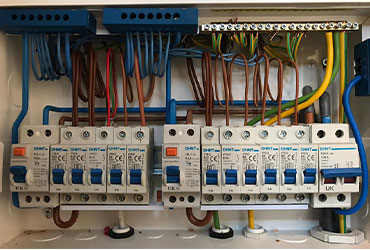
Electrical Issues
Call for free case assessment and expert legal advice. We are a firm of regulated and insured Solicitors.
No win, no fee. Our team are on hand, ready to help.
Why choose SLS Solicitors?
We strive to achieve the best possible result and solution for every one of our clients through our expertise and passion. We are straight talking, approachable and understanding.
Client care is at the very top of our priorities and you can be sure that we will look after you in your times of need.
You will be kept up to date throughout the process and we will only ever be a phone call or e-mail away.
Related Questions
Can I stop paying rent because of it?
No don’t do that without legal advice. It might seem fair, but skipping rent can actually break your tenancy agreement. The right way is to keep paying, gather evidence, and let a solicitor handle your claim. If you win, you’ll get back the rent for the time your home wasn’t fit to live in.
Can I be kicked out for complaining?
Absolutely not. That’s called retaliatory eviction and it’s illegal. If your landlord tries that after you’ve reported damp or made a claim, courts won’t take it lightly.
What if my landlord blames me?
They often do. You’ll hear things like, “You should open your windows more” or “Stop drying clothes indoors.” But if the real cause is a leak, bad insulation, or poor heating, it’s still their responsibility not yours.
How long should repairs take?
It depends on how serious the issue is. A burst pipe or broken boiler should be fixed within a day or two. Damp and mould should be properly checked and treated within a few weeks. If your landlord drags their feet for months, it can count in your favour when claiming compensation.
Do I need a doctor’s letter?
Not always, but it definitely helps. If someone in your home gets ill coughing, skin irritation, asthma ask your GP to make a note linking it to damp or mould exposure. Even a short mention in your medical record strengthens your case.