

Housing Disrepair Solicitors
Damp And Mould Claim
Our No Win, No Fee housing solicitors can assist you in making a Damp & Mould Claim.
If you are a council or housing association tenant:
Experiencing damp, mould, or other disrepair issues
Living in a property that falls below a safe and healthy standard
You may be eligible to bring a claim against your Social or Council Landlord to have the necessary repairs carried out and to seek compensation for any losses or inconvenience caused.
FIND OUT IF YOU ARE ELIGIBLE TO CLAIM FOR REPAIRS AND COMPENSATION
Renting a property with physical issues, defects, or disrepair issues?
If you are renting a property with disrepair issues, our No Win, No Fee Housing Disrepair Solicitors in Manchester can advise you.
We can help with serious housing issues such as the following (eligibility depends on your tenancy type and circumstances):
What Causes Damp & Mould?
Health & Wellbeing Risks for Tenants
Damp and mould are not just surface issues. They usually indicate something wrong within the property. The cause may relate to structural defects, poor insulation, inadequate ventilation, plumbing leaks, or general neglect.
Understanding the root cause is essential because, in many cases, the responsibility lies with the landlord, not the tenant.
Penetrating and Rising Damp – Structural Problems
When moisture enters through the roof, walls, or ground, the issue becomes more serious. This is known as penetrating damp or rising damp.
These forms of damp are structural defects, meaning the landlord is legally responsible for fixing them. If damp patches reappear or a persistent musty smell returns despite cleaning or repainting, the underlying issue has not been resolved.
Under the Landlord and Tenant Act 1985 and the Homes (Fitness for Human Habitation) Act 2018, landlords in England and Wales must ensure rental properties are free from conditions that could harm health or make the home unfit to live in.
If the landlord fails to act after being notified, tenants may bring a housing disrepair claim to:
Force repairs
Recover compensation
Claim for inconvenience, damage, and distress
Types of Damp
| Type of Damp | Common Cause | Responsibility |
|---|---|---|
| Condensation | Poor heating or ventilation | Landlord (if systems faulty) |
| Penetrating Damp | Roof, gutter, or plumbing leaks | Landlord |
| Rising Damp | Ground moisture, failed damp-proof course | Landlord |
Living with damp and mould is not just unpleasant — it can seriously affect your health. Mould releases microscopic spores into the air, which can lead to respiratory issues and other illnesses if left untreated.
Physical Health Effects
Living with molds can have serious effects on your health that you should not ignore at all; here’s how it affects you and your family:
● Damp air and mould causes severe coughing, wheezing, and chest infections.
● People with asthma or eczema suffer most, especially kids and older adults.
● Mould near bedrooms can bring headaches, fatigue, and even blocked sinuses.
● Breathing issues after the appearance of damps, it means the home isn’t safe to live in.
Over time, constant exposure to mould spores can weaken the immune system and make recovery from minor illnesses slower.
Children exposed to damp environments may experience recurring colds or worsening respiratory symptoms.
In severe cases, long-term mould exposure has been linked to chronic breathing conditions that require ongoing treatment.
These are recognised housing health risks under the Housing Health and Safety Rating System (HHSRS). If mould triggers ill health, medical expenses or related losses may form part of a claim compensation request.
Mental and Emotional Impact
A cold, damp home can take a real toll mentally. The constant smell, ruined clothes, and stained walls create embarrassment and anxiety. Families often stop inviting guests over.
Living in those conditions day after day can lead to stress, frustration, and even sleep disturbance.
Parents may worry constantly about their children’s health and wellbeing.
Feeling ignored by a landlord can also cause anger and helplessness, especially when the problem keeps returning.
Over time, this ongoing pressure can affect concentration, work performance, and daily routines.
Many tenants feel trapped, unsure of how long the situation will continue.
No one should have to live in a home that causes emotional strain as well as physical discomfort.
Free case review. Expert advice. Regulated and insured solicitors.
Why Root Cause Matters Legally
Your Legal Rights & What the Landlord Must Do
The key legal issue is whether the damp or mould comes from structural faults or tenant activity.
If caused by:
Plumbing leaks
Failed heating systems
Poor ventilation
Roof damage
Rising or penetrating damp
Defective extractor fans
the landlord is legally responsible.
Painting over mould does not resolve the underlying issue. Once the structural cause is established, tenants may be entitled to repairs and compensation.
Every tenant in England and Wales has the legal right to live in a home that is safe, dry, and fit to occupy. Damp and mould that damage health or make part of a home unusable breach that right.
The Landlord’s Core Obligations
Landlords must:
- Keep the structure and exterior of the property in repair including walls, roofs, windows, and drains.
- Maintain all systems for heating, hot water, electricity, gas, and sanitation.
- Ensure the property is fit for human habitation at all times.
- Act within a reasonable period once they are informed about any issue.
Painting over mould or running a dehumidifier is not a lawful fix. The problem must be properly investigated and repaired at its source.
Call for free case assessment and expert legal advice. We are a firm of regulated and insured Solicitors.

When Repairs Are Delayed
What begins as a small damp patch can quickly spread across walls and ceilings if left unresolved.
Short-term fixes may hide stains, but moisture often remains trapped beneath the surface.
Over time, plaster can crumble and paint can peel, leaving parts of the home damaged.
Repeated delays often signal neglect rather than a temporary oversight.
A safe home should not require constant management or workarounds.
Acting early prevents further damage and protects your living standards.
Claim the Compensation You Deserve
Free review. No Win No Fee.
Evidence – How to Build a Strong Claim
Compensation – What You Might Recover
A strong damp and mould compensation claim relies on evidence showing the landlord knew of the issue and failed to act.
Report the problem in writing
The first rule is simple always report issues in writing.
Emails, online repair portals, or even text messages all count. The date you report the issue is when your landlord’s legal duty begins. If you only told them verbally, follow up with a quick written message summarising what was discussed.
Example:
“Following our conversation today, I’m confirming there’s still mould on the bedroom ceiling above the radiator. It’s spreading again even after repainting.”
That short message can later decide whether you win or lose the case.
What tenants should expect
Once you report damp or mould in writing, your landlord is legally required to inspect and arrange repairs. You are entitled to:
● A professional assessment of the cause (not a guess).
● Proper remedial work like fixing leaks, improving insulation, or replacing damaged materials.
● A home free from recurring damp and mould once repairs are done.
If the landlord fails to act within a reasonable time, you can contact the local council’s environmental health team or instruct a solicitor to send a formal Letter of Claim demanding both repairs and compensation.
Common Landlord Defences And Why They Fail
● “You caused it by drying clothes indoors.”
If the issue results from poor ventilation or failed heating, it’s still the landlord’s responsibility.
● “We repainted, so it’s fixed.”
Painting over mould is not a repair. The cause must be addressed.
● “You didn’t report it soon enough.”
Once the landlord is informed even by text or email they are on notice. From that point, delay counts against them.
Take photos and videos
Photographs are the most persuasive form of evidence.
Take them in daylight, from multiple angles, and repeat the same shots every few weeks if the problem continues. Include wide shots of the room and close-ups of the mould, damp patches, or leaks. Videos are useful if water is dripping or spreading they show the problem is active.
- Mention any leaks or smells.
- Attach clear photos.
Keep a copy of your message and note the date sent.
Keep a simple timeline
Create a short log of events on paper or your phone:
● Date you first noticed the issue
● When you reported it
● Any response or missed appointments
● When it got worse or spread
This timeline helps show neglect or delay. Even a few lines can turn a vague complaint into a documented pattern of failure.
Collect supporting proof
Keep anything that shows how damp or mould has affected you doctor’s notes, pharmacy slips, and receipts for damaged items like clothes or bedding. If a contractor visits, ask for a short report or quote; it can help later in court or talks.
Evidence to keep:
● Photos or videos
● Reports or repair quotes
● Emails or messages
● Log of dates and replies
● Medical notes
● Receipts for extra costs
Statutory Nuisance
Damp and mould may amount to statutory nuisance if they present a health risk or make the home unsafe. Environmental health can issue notices requiring urgent repairs.
Awaab’s Law
Following the tragic death of Awaab Ishak, social landlords must meet strict repair time limits for damp and mould.
Tenants’ Rights
Tenants have the right to:
Repairs in a reasonable timeframe
Proper ventilation and heating systems
Safe housing conditions
Compensation for losses
Time Limits
Most housing disrepair claims must be made within 6 years. Personal injury from mould has a 3-year limit.
Housing Conditions & Rented Property
Damp and mould make a rented property potentially unfit for human habitation. This applies to:
Private tenants
Council tenants
Housing association tenants
Social rented sector
The type of tenancy does not remove the landlord’s legal responsibility to provide safe living conditions.
Once it’s proven that the landlord failed to act, you may seek compensation. It’s not just about money – it’s about recognising the time you lived in poor conditions and the damage it caused.
How Compensation Is Calculated
Most claims are valued using the rent percentage method, known as “diminution of rent.”
This calculates how much of your rent was effectively wasted while part of your home was unfit to live in.
Example:
If your rent is £900 per month and mould made your bedroom unusable for six months, you might recover around 25–40% of the rent for that period, roughly £1,350–£2,160.
Compensation rises with the seriousness of the problem and how long it lasted.
Common heads of claim
You can recover for:
Loss of use—a percentage of rent for uninhabitable rooms
Distress and inconvenience—the disruption and discomfort caused
Damage to personal belongings—furniture, clothes, electronics, or bedding
Health impact—where evidence links illness or breathing issues to the damp
Extra costs—heaters, dehumidifiers, higher energy bills, or alternative accommodation
Typical Award Ranges
| Severity | Compensation (% of rent) |
|---|---|
| Minor mould, still usable | 10–20% |
| One room unusable | 25–40% |
| Several rooms affected | 40–60% |
| Property nearly uninhabitable | 60–100% |
Step-by-Step Action Plan for Tenants
If you’re living with damp and mould, here’s the process to take control step by step. Acting early makes your claim easier and forces repairs faster.
Step 1 – Report the problem
Send your report in writing by email or through your landlord’s repair portal. Be specific:
Describe where the mould or damp is appearing.
Mention any leaks or smells.
Attach clear photos.
Keep a copy of your message and note the date sent.
Step 2 – Gather and organise evidence
Take photos and videos regularly. Keep receipts for anything damaged. Write short notes when the landlord replies or when repairs fail. If the issue affects your health, visit your GP and keep the record.
Step 3 – Allow a reasonable time for repairs
The landlord should act within a “reasonable” period. For minor issues, a couple of weeks may be fair; for leaks, heating faults, or visible mould growth, repairs should begin within days. If nothing happens, the clock starts ticking for legal action.
Step 4 – Get expert help
If your landlord continues to ignore you, contact a housing solicitor. They’ll send a Letter of Claim, including your photos, evidence, and timeline. This formal step often pushes landlords to act because it triggers the legal pre-action protocol.
When Extra Payments Apply
If your health condition has been affected, or you had to buy replacement furniture, the court may add “special damages.” These cover out-of-pocket losses and can add hundreds or even thousands of pounds to your claim. Interest is often added from the date the issue was first reported until settlement.
No Win No Fee Options
Most tenants use No Win No Fee solicitors. No upfront fees; a capped success fee applies only if you win.
Step 5 – Negotiation or settlement
Many cases settle before court. The landlord agrees to:
Carry out all repairs within a set timeframe
Pay compensation for the affected months
Cover your legal costs
Settlement agreements are usually recorded in writing, clearly setting out what work must be done and by when.
This ensures there is accountability if deadlines are missed.
If they still don’t respond, your solicitor can file the case in court to enforce repairs and compensation.
Court action may also include a strict timetable for completing outstanding works.
Step 6 – After Repairs, What Comes Next
When the landlord finally sorts out the repairs, don’t just assume the job’s done. Take a proper look around. Make sure they’ve fixed what caused the damp, not just painted over the marks. If that same smell or stain comes back later, it’s still on them to fix it again.
You are entitled to a lasting repair, not a temporary cosmetic solution.
If issues persist, notify them immediately and refer back to the previous complaint.
Keep all your notes, photos, and messages somewhere safe even after everything’s settled. They’re your proof if the problem ever shows up again. A few stored emails or pictures can save you a lot of stress down the line.
Maintaining organised records protects you long after the case has closed.
Start your claim today
Upload photos or a short description of your damp or mould issue. A housing solicitor will review your case within one working day and tell you exactly what you can claim for.
Claim Now

Don’t Live With It, Fix It
Damp and mould show your home isn’t properly maintained. Your landlord must keep it safe, warm, and free from hazards.
If nothing has been done after reporting, a solicitor can check your photos, notes, and timeline to see if you qualify for a claim.
A successful claim can:
Force proper, lasting repairs
Secure compensation for months in unhealthy conditions
Act early—the sooner you take action, the stronger your evidence and your claim will be
Additional Services We Offer
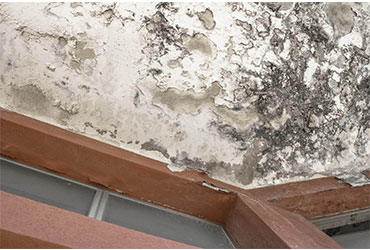
Mould Issues
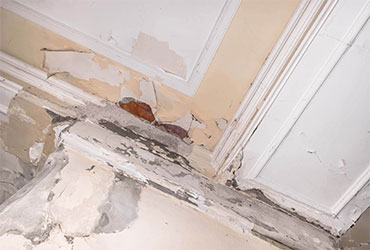
Damp Issues
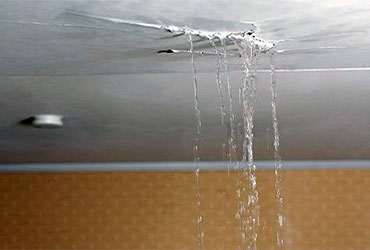
Water Leaks
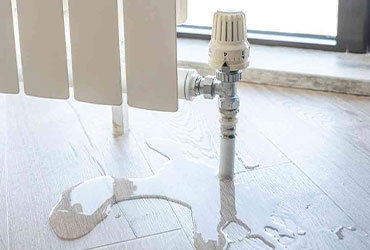
Heating Issues
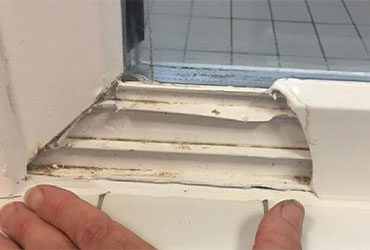
Damaged Windows
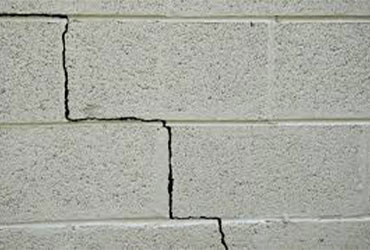
Structural Issues

Infestations
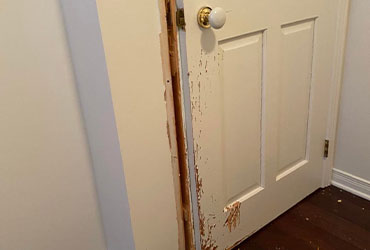
Broken Doors

Electrical Issues
Call for free case assessment and expert legal advice. We are a firm of regulated and insured Solicitors.
No win, no fee. Our team are on hand, ready to help.
Why choose SLS Solicitors?
We strive to achieve the best possible result and solution for every one of our clients through our expertise and passion. We are straight talking, approachable and understanding.
Client care is at the very top of our priorities and you can be sure that we will look after you in your times of need.
You will be kept up to date throughout the process and we will only ever be a phone call or e-mail away.
Related Questions
Can I stop paying rent because of it?
No don’t do that without legal advice. It might seem fair, but skipping rent can actually break your tenancy agreement. The right way is to keep paying, gather evidence, and let a solicitor handle your claim. If you win, you’ll get back the rent for the time your home wasn’t fit to live in.
Can I be kicked out for complaining?
Absolutely not. That’s called retaliatory eviction and it’s illegal. If your landlord tries that after you’ve reported damp or made a claim, courts won’t take it lightly.
What if my landlord blames me?
They often do. You’ll hear things like, “You should open your windows more” or “Stop drying clothes indoors.” But if the real cause is a leak, bad insulation, or poor heating, it’s still their responsibility not yours.
How long should repairs take?
It depends on how serious the issue is. A burst pipe or broken boiler should be fixed within a day or two. Damp and mould should be properly checked and treated within a few weeks. If your landlord drags their feet for months, it can count in your favour when claiming compensation.
Do I need a doctor’s letter?
Not always, but it definitely helps. If someone in your home gets ill coughing, skin irritation, asthma ask your GP to make a note linking it to damp or mould exposure. Even a short mention in your medical record strengthens your case.