

Housing Disrepair Solicitors
Claims for Heating & Hot Water Failures
Our No Win, No Fee housing solicitors can assist you in making a claim related to broken boilers, no heating, lack of hot water, or central heating disrepair.
If you are a council or housing association tenant:
- Experiencing no heating during cold weather, boiler breakdowns, or repeated hot water failures
- Living in a property where heating systems are faulty, unsafe, or not working properly
You may be eligible to bring a claim against your Social or Council Landlord to have the necessary repairs carried out and to seek compensation for the discomfort, financial loss, or health risks caused by living without heating or hot water. Acting quickly can help protect your health, prevent further property damage such as burst pipes or damp, and ensure your landlord meets their legal obligations.
FIND OUT IF YOU ARE ELIGIBLE TO CLAIM FOR REPAIRS AND COMPENSATION
What Counts as a Heating or Hot Water Failure?
Your Rights When Landlords Fail to Fix Broken Systems
Health & Safety Risks of Living Without Heating or Hot Water
Living in a freezing flat as a tenant with no heating or hot water makes life miserable you catch colds, can’t shower properly, and the kids sleep in the cold.
Under UK housing law, heating and hot water are considered as essential services not optional extras. Your landlord has a clear legal duty to keep them working at all times.
This guide explains the main causes of heating and hot water failures, your landlord’s obligations, how to document the issue, and what compensation you can claim if they ignore it.
Common Problems Tenants Report
● Boiler breakdowns – complete loss of heating and hot water.
● Cold radiators even when the system is on.
● Hot water cutting in and out, or turning lukewarm mid-shower.
● No heating in certain rooms due to blocked pipes or airlocks.
● Thermostat or pump failures leaving the system unresponsive.
● Constant short-term fixes that fail again within days.
Even a single day without heat in freezing weather is serious. When these issues drag on for weeks, they’re classed as housing disrepair.
Broken Boiler & Gas Boiler Faults
Cold homes become unsafe homes quickly. A broken boiler or faulty gas boiler means essential services have stopped working, and that falls under the landlord’s responsibilities.
Why It’s Serious
Cold homes are unsafe homes. Without heat, damp spreads quickly and mould starts to grow on cold walls and windows. This can affect your body and cause serious issues such as cold, fever, asthma or other serious problems.
This is the reason why the law treats heating and hot water as vital parts of a property’s “habitability.”
When Does It Become a Legal Issue?
It is considered a breach of duty the moment your landlord fails to fix the issue within a reasonable time after being told about it.
● In winter, “reasonable” often means 48 to 72 hours for complete heating failure.
● For partial loss or minor boiler faults, a week or less is usually acceptable.
If the system repeatedly fails or you’re left relying on electric heaters for weeks, that’s evidence of neglect and a strong legal basis for a claim.
Mental Health and Stress
Cold homes also take a psychological toll. Tenants often describe feeling anxious, irritable, or helpless after weeks without proper heating. Families struggle with disrupted routines boiling kettles to bathe, using unsafe electric heaters, or sleeping in one room to conserve warmth.
Over time, this stress becomes part of the legal claim for “loss of enjoyment” and distress.
Cold, damp homes are more than uncomfortable they’re dangerous. The health and safety impact of losing heat or hot water can be immediate and long-lasting.
Physical Health Risks
When indoor temperatures drop below 16°C, your body works harder to stay warm. Prolonged cold can trigger:
● Respiratory infections
● Asthma flare-ups
● Joint pain and stiffness
● Weakened immunity
● Increased blood pressure or heart strain in older tenants
Cold homes hit kids, older people, and the sick the hardest, and the NHS says it’s a real housing hazard under the HHSRS.
Property Damage from Lack of Heat
When temperatures drop low enough, plumbing systems can freeze and burst. Leaks, damp patches, and mould follow.
Walls, ceilings, and flooring can be damaged by condensation and trapped moisture. Using electric heaters for long periods can overload sockets or trip circuits, creating new safety risks.
How Health & Safety Evidence Strengthens Your Claim
Medical letters, hospital notes, or GP reports showing cold-related health issues support compensation claims.
So do heating bills showing extra costs from plug-in heaters, or council reports confirming “excess cold.”
The stronger the evidence, the higher the damages you can recover especially when the landlord ignored repeated complaints.
Landlord’s Legal Duties for Heating & Hot Water
When your home loses heating or hot water, the law doesn’t allow your landlord to “wait and see.” They have a direct duty to act quickly and effectively.
Key Legislation
Three main laws protect tenants in England and Wales:
Landlord and Tenant Act 1985, Section 11
Homes (Fitness for Human Habitation) Act 2018
Housing Health and Safety Rating System (HHSRS)
These laws apply to every tenancy: council, housing association, or private.
Free case review. Expert advice. Regulated and insured solicitors.
When Landlords Breach Their Duty
What the Law Requires in Practice
Common breaches include:
● Ignoring written repair requests.
● Sending contractors who perform quick fixes that fail again.
● Refusing to replace outdated, unsafe boilers.
● Delaying work due to “budget approvals” or “waiting for parts” for weeks.
Once you’ve reported the issue and the delay becomes unreasonable, your right to compensation arises automatically.
Evidence Tenants Should Gather
A strong case depends on proof that the heating or hot water failed, that you reported it, and that the landlord delayed repairs. The more organised your evidence, the easier it is for solicitors to recover compensation.
Proof of Reporting
Always start with written notice.
Send an email or message that includes:
● The problem (“no heating since Sunday,” “boiler not turning on”).
● Date and time you noticed it.
● Any previous attempts at repair.
● A request for urgent repair / emergency repair
Keep every message. Once the landlord receives written notice, their legal clock starts ticking.
Landlords must:
● Keep heating and hot-water systems in proper working order throughout the tenancy.
● Repair or replace faulty boilers and radiators as soon as they’re told of a breakdown.
● Provide temporary heating or washing facilities if delays occur.
● Use qualified Gas Safe or OFTEC engineers for boiler work.
They can’t pass repair costs to tenants or ignore complaints during cold months.
Temperature & Duration Records
Keep a daily log:
● Indoor temperature (use a thermometer app or small digital reader).
● Date and time you checked.
● Any response from the landlord or contractor visits.
If your home stays below 16 °C for days then its crucial evidence of a habitable living environment breach. And supports your claim under the “Excess Cold” standard.
Supporting Documents
Attach:
● Utility bills showing higher electricity costs from plug-in heaters.
● Medical notes if anyone became ill from the cold.
● Engineer or plumber reports confirming the fault.
● Council inspection letters under HHSRS
Claim the Compensation You Deserve
Free review. No Win No Fee.
How Quickly Repairs Should Happen
Compensation for Heating & Hot Water Failures
“Reasonable time” depends on how serious the failure is. Industry and council standards use these benchmarks:
Delays beyond these limits especially during freezing weather are considered a breach of duty.
Quick Reference Table
Even two or three solid forms of evidence can be enough for a successful claim.
Repair Time Benchmarks
| Issue | Expected Response Time |
|---|---|
| Complete heating/hot-water loss (winter) | 24–72 hours |
| Partial heating or hot-water loss | Within 7 days |
| Minor radiator fault | Within 14 days |
| Routine servicing | As per annual schedule |
Evidence Strength Table
| Evidence Type | Why It Matters |
|---|---|
| Emails/texts | Prove landlord knew about issue |
| Photos/videos | Show physical failure |
| Temperature log | Proves ongoing unsafe condition |
| Bills/receipts | Quantify financial loss |
| GP/council reports | Prove health or legal breach |
enants can claim compensation when landlords fail to repair heating or hot-water systems within a reasonable time. The law recognises both the physical discomfort and the financial impact.
Compensation is designed to reflect the loss of enjoyment of your home and the inconvenience caused by living without essential services. Heating and hot water are considered basic necessities, not luxuries. When these systems fail, the property may legally be classed as unfit for habitation. The longer the delay in repairs, the higher the potential compensation may be. Courts also consider the time of year, especially during winter months when lack of heating creates serious health risks. Vulnerable tenants such as children, elderly residents, or those with medical conditions may be entitled to higher awards. In some cases, additional damages may be awarded if the landlord ignored repeated complaints. Each case is assessed individually based on severity, duration, and impact.
How Compensation Is Calculated
Most claims use the diminution-of-rent method a percentage of rent refunded for the time your home was unfit to live in.
Example:
If your rent is £1,000 per month and you had no heating or hot water for 6 weeks, compensation might be 40–60 % of rent for that period: about £600 – £900.
This applies across:
● Private landlord homes
● Housing association properties
● Local authorities housing
● Rental properties in the private rented sector
Start your claim today
Upload photos or a short description of your damp or mould issue. A housing solicitor will review your case within one working day and tell you exactly what you can claim for.
Claim Now
What to Do When Heating or Hot Water Stops Working
When your heating or hot water fails, timing matters. The sooner you act and record each step the stronger your position becomes if you later need to claim compensation.
Step 1 – Report the Problem Immediately
Contact your landlord or letting agent in writing the moment you notice the issue.
Include:
● Date/time it started
● Description (“boiler error code F28”, “no hot water since Monday”)
● Photos/screenshots if possible.
● A request to repair work ASAP
This written notice starts the legal clock. If your landlord doesn’t act promptly, that delay will count against them later.
Step 2 – Protect Your Health and Safety
If your home is freezing, use portable heaters safely (away from furniture or curtains). Keep rooms ventilated to avoid condensation and mould. If you or someone in your household is elderly, pregnant, or has a medical condition, inform your landlord their duty to respond becomes even more urgent safety standards.
Typical Claim Values
| Scenario | Likely Compensation |
|---|---|
| Hot water off for 2 weeks | 15–25% of rent |
| Boiler failure for 1 month (winter) | 40–60% |
| Whole home unheated for 2 months | 70–100% + costs |
| Recurring breakdowns for a year | 25–40 % of rent over affected months |
Step 3 – Keep Evidence Every Day
Record:
○ Daily indoor temperatures
○ Each time the boiler cuts out
○ All communication
○ Any failed contractor visits (follow-up communication)
If your home stays below 16°C, that supports an environmental health hazard claim.
Step 4 – Allow Reasonable Access
Provide reasonable access for contractors (usually 24 hours’ notice).
If they fail to show, note it this shows landlord neglect.
Most tenancy agreements require tenants to allow access, but it must be reasonable.
Other Recoverable Losses
● Health impact: Respiratory or stress-related conditions.
● Distress and inconvenience: Loss of comfort, poor sleep, anxiety.
● Extra expenses: Portable heaters, higher electricity bills, laundrette use.
● Damaged property: Burst pipes, water damage, ruined flooring.
● Financial losses: laundrette costs, temporary solutions, travel
● Personal injury (when relevant)
This includes damage caused by frozen pipes, radiators leaking, or excessive damp.
Legal Costs & No Win No Fee Protection
Most housing disrepair solicitors take these cases on a No Win No Fee basis:
● You pay nothing upfront.
● Fees only apply if you win, capped by law (usually ≤ 25 % of damages).
● If successful, the landlord often covers legal costs as part of settlement.
The faster you collect evidence and report the problem, the higher the chances of full recovery both in comfort and in compensation.
Step 5 – Escalate If Ignored
If the landlord fails to act within a reasonable period:
● Report the issue to Environmental Health Department (especially in winter).
● File a formal complaint
● Contact a housing disrepair solicitor who can issue a formal Letter of Claim.
It’s important to keep detailed records of all communication and follow-ups, including dates, emails, and photos. Once that letter is sent, your landlord must reply within 20 working days or risk court proceedings. Escalating early can prevent further health risks, property damage, or prolonged discomfort.
Step 6 – Legal Action or Settlement
Most cases settle out of court. If not, the court can order:
● Force the landlord to carry out major repairs or full replacement of heating or hot water systems.
● Require the landlord to pay your legal costs and apply rent reductions for the period of disrepair.
● Award you compensation for lost use, stress, and additional expenses incurred.
● Provide alternative accommodation in extreme cases where the property is unsafe.
Once repairs are done, confirm that the heating and hot water now work properly, not just temporarily. Keep evidence of the repaired system, including inspection reports or photographs, in case further issues arise or additional claims are needed.
Call for free case assessment and expert legal advice. We are a firm of regulated and insured Solicitors.

Can I Buy My Own Heater and Claim It Back?
A lack of heating or hot water breaches landlord duties under:
● Landlord and Tenant Act 1985
● Homes (Fitness for Human Habitation) Act 2018
● Housing Health and Safety Rating System
You’re entitled to warmth, safety, dignity, and basic amenities, not weeks of cold showers or relying on electric heaters.
If you’ve reported the issue and your landlord hasn’t acted within a few days, document the problem, collect your evidence, and get legal help.
With the right solicitor, your landlord can be ordered to repair the system and compensate you for the time you spent living without one of life’s essentials.
Claim the Compensation You Deserve
Free review. No Win No Fee.
Additional Services We Offer
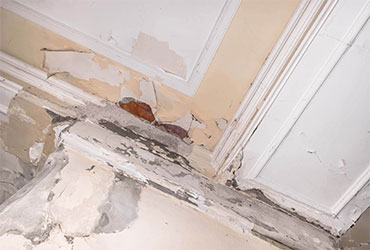
Damp Issues
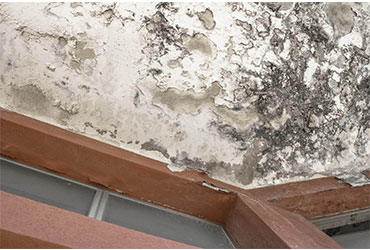
Mould Issues
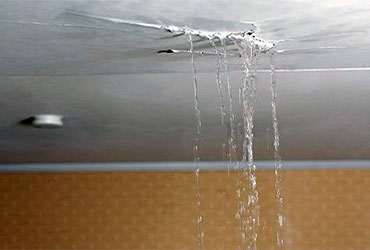
Water Leaks
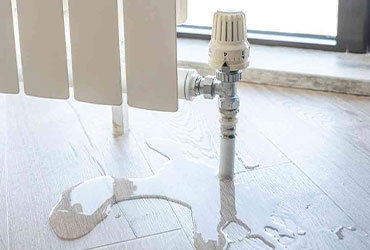
Heating Issues
Damaged Windows
Structural Issues

Infestations
Broken Doors
Electrical Issues
Call for free case assessment and expert legal advice. We are a firm of regulated and insured Solicitors.
No win, no fee. Our team are on hand, ready to help.
Why choose SLS Solicitors?
We strive to achieve the best possible result and solution for every one of our clients through our expertise and passion. We are straight talking, approachable and understanding.
Client care is at the very top of our priorities and you can be sure that we will look after you in your times of need.
You will be kept up to date throughout the process and we will only ever be a phone call or e-mail away.
Related Questions
Heating Not Working Landlord – How long can they leave it?
In cold weather, no more than 48–72 hours is acceptable for a full loss. Anything longer breaches the legal obligations and can justify a claim.
My landlord says it’s a “part delay” or “supplier issue.” Does that excuse work?
No. Administrative excuses don’t change their legal obligation. If they can’t fix it immediately, they must provide temporary measures or alternative solutions.
What if I rent privately do I still have the same rights?
Yes. Whether you rent from a private landlord, the council, or a housing association, the same legal standards apply under the Landlord and Tenant Act 1985.
Can I buy my own heater and claim it back?
You can, but always keep the receipt. It’s better to ask the landlord first. If they refuse or delay, you can include your heater cost and extra electricity use in your compensation claim.
What if the heating works but the water doesn’t is that still disrepair?
Yes. Both heating and hot water are separate legal obligations. Lack of either one makes your property “unfit for habitation” under the 2018 Act.
Can I withhold rent until repairs?
No withholding rent can breach tenancy agreements.
Always seek legal advice first.
I have a newborn baby and no heat what should I do?
Inform your landlord immediately in writing and note the health risk. Then contact Environmental Health or a solicitor such cases are treated as urgent health hazards and can trigger immediate legal action.