

Housing Disrepair Claim Solicitors
Claim Compensation for Disrepair in your Home. Are you eligible?
You may be eligible to bring a claim against your Council or Housing Association Landlord for them to carry out reaoirs within and agrred time and to pay you for compensation for losses suffered.
We are housing disrepair solicitors. We work on a No Win No Fee basis and are experts in housing disrepair claims
Expert Eviction Lawyers Contact Us Today.
What is Housing Disrepair?
Disrepair means a rented house or flat is in poor condition because necessary repairs have not been carried out by the landlord. It happens when parts of the property, such as the roof, walls, heating system, plumbing, or electrics, are damaged or not working properly and are not fixed within a reasonable time. These problems can make the home unsafe, unhealthy, or uncomfortable to live in. Housing disrepair usually becomes an issue when the landlord knows about the problem but still fails to repair it. In simple words, it is when a rental property is not properly maintained and the landlord does not fulfill their responsibility to keep it in good condition.
Our Housing Disrepair Team Are Ready to Help.
Your Legal Rights and the Laws Behind Housing Disrepair
What Your Tenancy Agreement Really Means
You have legal rights in England and Wales as a tenant. You are not asking for a favour when you request repairs. The landlord is legally required to make sure your property is safe, liveable, and in good working order. If they don’t, the law allows you to force repairs and claim compensation from them.
Key Laws That Protect Tenants
1. Landlord and Tenant Act 1985
This Act is the foundation of most housing disrepair claims. It says your landlord must keep in repair:
The structure and exterior of the property – walls, roof, windows, doors, gutters, drains.
All installations for water, gas, electricity, sanitation, heating and hot water.
Repairs must be carried out within a reasonable time after you report the problem.
If your ceiling leaks, boiler stops working, windows are rotten, or electrics are unsafe, this Act applies.
2. Homes (Fitness for Human Habitation) Act 2018
This law goes further. It doesn’t only care about repairs – it focuses on whether your home is actually fit to live in.
Your home is legally “unfit for human habitation” if it has serious issues such as:
Damp and mould
No heating or hot water
Unsafe electrics or gas
Pest infestation
Leaks, structural risks, poor ventilation
Any condition that affects your health or safety
If your home is unfit, your landlord can be taken to court to force repairs and pay compensation.
3. Defective Premises Act 1972
This Act focuses on safety. It states landlords must take reasonable care to prevent injury or damage caused by defects in the property.
Example:
A tenant slips on mouldy stairs due to a leak.
A child develops asthma because of damp and mould.
The ceiling collapsed because the landlord ignored water damage.
These are not just “repairs” – they become landlord negligence, and compensation increases. Doctors’ letters, hospital visits and medical reports often strengthen a tenant’s claim and increase compensation where health has been affected.
Even if your tenancy contract doesn’t mention repairs, the law automatically implies repair duties into every tenancy.
The law protects all tenants equally – what changes is the process, not your rights.
This means:
The landlord cannot avoid repairs by writing in the contract “tenant accepts property as-is”.
The obligation to repair starts as soon as you report the issue.
You must still allow reasonable access for inspections and repairs.
Council / Housing Association Tenants vs Private Tenants
| Council / Housing Association Tenants | Private Tenants |
|---|---|
| Repair process – Usually online portal / repairs team | Email / call landlord or letting agent |
| If ignored – Formal complaints + Housing Ombudsman | Court process (solicitor route) |
| Rights under law – Exactly the same as private tenants | Exactly the same |
Local Authority & Housing Health and Safety Rating System (HHSRS)
Councils use the HHSRS system to judge whether a home is hazardous. They rate risks such as:
Damp and mould
Excess cold or heat
Electrical hazards
Fire risk
Structural collapse
Sanitation or drainage issues
This does not stop you from making a compensation claim. In fact, it strengthens it.
In Summary – Your Legal Position
You may have a valid legal claim if:
✔ You reported disrepair to your landlord.
✔ They failed to fix it within a reasonable time.
✔ Your health, safety, or ability to use your home has been affected.
You are legally entitled to:
Repairs (forced if necessary)
Compensation for inconvenience, health effects, damaged belongings, and loss of use
Legal representation on a no win no fee basis (if eligible)
Our Housing Disrepair Team Are Ready to Help.
Common Housing Disrepair Problems
Step-by-Step: How a Housing Disrepair Claim Works
Most housing disrepair cases don’t start with dramatic events. Usually, it’s small problems—mould behind a wardrobe, a radiator that won’t heat, a leaking pipe, or flickering electrics after rain. Left untreated, these minor faults can become serious hazards to health, safety, and the property. Tenants have the right to seek repairs and compensation if landlords fail to act.
Damp and Mould
Damp and mould are the most common disrepair issues. They often start small but spread quickly.
Causes: leaking roofs, gutters or pipes; rising damp; cold walls, condensation, and poor insulation; broken heating systems.
Risks: respiratory problems, coughing, chest infections, skin irritation; damage to furniture, clothing, and bedding.
Tenant tip: Document mould, photos, and landlord reports. Landlord excuses blaming tenant habits don’t hold if structural issues exist.
Leaks, Burst Pipes, and Plumbing Problems
Water damage is a clear sign of disrepair and worsens over time.
Signs: dripping ceilings, brown stains, peeling paint, damp patches behind sinks or radiators.
Risks: structural weakening, ceiling collapse, and fire hazards when water contacts wiring.
Evidence: photos, videos, recordings, messages to landlord, and damaged belongings like carpets or mattresses.
Heating and Hot Water Failures
Living without heating or hot water especially during winter is not just uncomfortable but a genuine health risk.
Common issues include:
● Boiler breaking down repeatedly or not working at all
● No heating in bedrooms or living areas
● No hot water for bathing, cooking or cleaning
● Radiators staying cold even when turned on
Impact on daily life:
Cold homes worsen respiratory illnesses, encourage damp and mould to grow, and force tenants to rely on expensive plug-in heaters. Families with infants, elderly relatives or disabled occupants suffer the most.
In winter, lack of heating is considered an urgent repair. Landlords are expected to fix it quickly; delays can make compensation claims stronger.
Unsafe Electrics and Fire Risk
Electrical hazards are extremely dangerous and should never be ignored. Even small warning signs can point to serious underlying faults.
Warning signs tenants report:
● Flickering lights or power cutting out regularly
● Sockets sparking, making crackling noises or giving mild shocks
● Burnt or melted switch plates
● Loose wires, exposed wiring or broken plug sockets
Legal responsibility:
Landlords must ensure the electrics are safe at the start of the tenancy and remain safe throughout. They must have a valid EICR (Electrical Installation Condition Report) and carry out recommended repairs. If they ignore warnings, they are in breach of housing safety regulations.
Structural Damage – Roofs, Ceilings, Walls, Windows and Floors
Structural disrepair affects the basic safety and stability of the property.
Typical examples are:
● Cracks in internal or external walls
● Sagging ceilings or pieces of plaster falling
● Rotten or broken window frames causing cold draughts
● Loose roof tiles or holes leading to leaks
● Unstable staircases, loose bannisters or sinking floors
Left untreated, these issues can cause injury or make parts of the property unusable. Tenants may end up closing off certain rooms, moving furniture away from collapsing walls or using buckets to catch constant drips from the ceiling.
Pest and Vermin Infestations
Rats, mice, cockroaches, ants, silverfish and bedbugs often appear when a property has gaps, leaks or sanitation issues.
Landlord responsibility usually applies when:
● Pests enter through holes in walls, floors, pipes or damaged vents
● Drains or sewers are broken and attracting rodents
● Damp, mould and rotten timber provide nesting conditions
● Communal bins are not managed properly by the landlord or housing provider
Infestations are more than an inconvenience. Rodents chew electrical wires, damage furniture and spread disease. Cockroaches and bedbugs affect sleep, hygiene and mental health. If caused by structural faults or landlord neglect, the landlord must take action.
Sewage, Drainage and Sanitation Problems
This is one of the most serious and urgent forms of housing disrepair.
Examples include:
● Sewage water rising into toilets, baths or sinks
● Blocked toilets that remain unusable for days
● Drains overflowing into kitchens, gardens or hallways
● Strong foul smells coming from sinks, plugholes or outside drains
Raw sewage carries harmful bacteria and can make a home uninhabitable. Tenants should report it immediately. If the landlord refuses to act, local environmental health authorities can step in. Compensation for sewage-related cases is usually high because of the health risks and distress involved.
Health Problems and Vulnerable Tenants
Some households are more affected by disrepair than others. A cold, mouldy or unsafe property can seriously harm vulnerable tenants.
People at higher risk include:
● Babies and children under five
● Pregnant women
● Elderly tenants
● People with asthma, COPD, eczema or weakened immune systems
● Tenants with disabilities or long-term health conditions
Why this matters:
If a landlord is aware that a vulnerable person lives in the property, they must act more quickly. Doctors’ letters, hospital visits and medical reports often strengthen a tenant’s claim and increase compensation where health has been affected.
Housing disrepair is not just about inconvenience or discomfort. It is about the legal right to live in a safe, secure and healthy home. When problems like damp, mould, leaks, heating failures or electrical hazards are reported and ignored, tenants are entitled to take legal action. The longer the issue is left unresolved, the greater the damage to health, belongings, and the value of a future compensation claim.
Most tenants know something is wrong in their home—damp, mould, leaks, no heating—but they don’t know how to actually start a claim or what happens next. This guide shows every stage of a housing disrepair claim, from reporting the problem to your landlord to when repairs and compensation are granted.
Step 1 – Report the Problem (In Writing)
You cannot start a claim unless the landlord has been made aware of the issue.
How to do it properly:
Report the problem in writing: email, letter, online repair portal, or WhatsApp (if that’s how you normally communicate).
Keep screenshots or delivery records.
Describe the issue clearly: “black mould in bedroom ceiling above radiator,” “boiler showing fault code, no heating or hot water.”
Why reporting matters:
The legal clock starts ticking only after the landlord has been informed.
If you only mentioned it verbally, it’s harder to prove later.
Tip: Even if the landlord saw it in person, send a follow-up message: “as discussed today, the mould in the bedroom…”
Step 2 – Waiting for Repairs / Landlord Response
Landlord is expected to act within a reasonable time.
Keep a record of dates, communications, and any follow-ups.
If ignored:
Council tenants can use formal complaints procedures and the Housing Ombudsman.
Private tenants may have to escalate to legal action or involve a solicitor.
Step 3 – Evidence Collection
Gather proof of the problem and its effects on your life:
Photos and videos of the issue (active leaks, mould patches, broken heating).
Messages and emails to the landlord.
Medical notes if health is affected.
Damaged belongings (clothes, furniture).
Tip: More evidence strengthens your case.
Step 4 – Letter of Claim (Pre-Action Protocol Begins)
Solicitors send a formal Letter of Claim under the Pre-Action Protocol for Housing Conditions.
It includes:
Full details of the disrepair.
Evidence (photos, logs, medical notes if relevant).
How long you’ve been affected.
Legal duties the landlord has breached.
What you want: repairs, compensation, costs.
Timeline: The landlord has 20 working days to respond.
Step 5 – Inspection / Surveyor Report
The landlord may send surveyors or contractors to inspect.
Purpose of inspection:
Confirm defects.
Identify the cause (roof leak, structural defect, broken boiler, damp proof failure).
Cost and plan repairs.
If the landlord disputes the claim:
Your solicitor can arrange an independent expert surveyor.
Their report is used in court or negotiations.
Note: Always allow access; refusing entry can harm your case.
Step 6 – Negotiation & Settlement (Repairs + Compensation)
Most cases do not go to court.
Usual outcomes:
Landlord agrees on a schedule of works (repairs with timescales).
Compensation is discussed or negotiated.
You may receive both:
Repairs (to fix the problem long-term).
Compensation (for the time you lived with the issue).
Common settlement structure:
Works completed by agreed date.
Rent reduction or payment to tenant.
Landlord pays legal costs.
Terms signed under a Consent Order (court-backed but avoids a hearing).
Step 7 – Court Proceedings (Only If Needed)
If the landlord refuses to cooperate or delays everything, your solicitor can issue court proceedings.
Court can:
Order the landlord to carry out repairs by a deadline.
Award compensation to the tenant.
Order the landlord to pay legal costs.
Reality: Most landlords settle before the final hearing once they see the case is strong.
Claim the Compensation You Deserve
Free review. No Win No Fee.
What Compensation Can You Claim for Housing Disrepair?
Landlord Obligations and Common Defences
If your landlord failed to repair your home after you reported problems, you may be able to claim compensation. This isn’t just about money—it’s about holding your landlord accountable for making you live in unsafe or unhealthy conditions.
This section explains how compensation works, how it’s calculated, what counts as evidence, and gives examples of real claim amounts.
How Compensation Is Calculated (Simple Explanation)
The most common method is called “diminution of rent”, which calculates how much of your rent was wasted while parts of your home were uninhabitable.
Example:
Rent: £900/month
Bedroom unusable due to mould for 6 months
Compensation: 20–50% of rent depending on severity
Main Types of Compensation You Can Claim
| Type of Compensation | What It Covers |
|---|---|
| Loss of Use / Rent Reduction | Percentage of rent refunded for time you lived with disrepair |
| Inconvenience & Distress | Stress, discomfort, anxiety, impact on daily living |
| Health Impact | Medical evidence shows illness caused or worsened by disrepair |
| Damage to Belongings | Mouldy clothing, ruined furniture, damaged electronics, bedding |
| Extra Expenses | Heater costs, dehumidifiers, extra laundry costs, alternative stays |
| Interest on Compensation | Usually added from date of claim to settlement |
| Legal Costs | Often paid by the landlord if your claim succeeds |
How Rent-Based Compensation Works
Severity of disrepair determines rent percentage:
| Severity of Disrepair | Rent Compensation Guide (Approx.) |
|---|---|
| Minor issue – still usable | 10% of rent |
| One room unusable | 20–35% of rent |
| Multiple rooms affected | 40–60% of rent |
| Property almost uninhabitable | 60–100% of rent |
Applied from the date you reported the issue until it was properly fixed.
Examples of Realistic Calculations
Example 1: Damp & Mould in Bedroom
Rent: £850/month
Issue lasted: 8 months
Bedroom unusable, moderate severity (30% of rent)
£850 × 30% = £255 × 8 months = £2,040 total compensation + possible extra for belongings
Example 2: No Heating or Hot Water for 2 Months in Winter
Rent: £1,000/month
Heating failure during December–January
40% rent awarded
£1,000 × 40% = £400 × 2 months = £800 compensation + £150 for electric heaters
Example 3: Major Roof Leak Destroying Furniture
Rent: £950/month
Leaks ruined mattress, wardrobe, and damaged ceiling
6 months × 35% = £1,995
Furniture replacement: £720 (with receipts)
Total: £2,715
Special Damages (Extra Costs You Can Claim Back)
Dehumidifier or heater costs
Replacement of damaged items (beds, clothes, appliances)
Higher electricity or gas bills
Hotel or temporary accommodation if home became unsafe
Cleaning / mould removal / pest control
Common Landlord Excuses and Why They Fail
| Landlord Defence / Excuse | Legal / Practical Response |
|---|---|
| “You caused the mould by not opening the windows.” | If mould is due to leaks, poor insulation, or ventilation issues, landlord is responsible |
| “You didn’t let us in to repair it.” | If the tenant offered access or landlord failed to attend appointments, defence fails |
| “We’re waiting for parts or contractors.” | Temporary delays accepted, but months of no progress is unreasonable |
| “It’s only cosmetic, not a real hazard.” | If mould, leaks, or electrical issues affect health or safety, it is disrepair |
| “You didn’t tell us about it.” | Tenant proof (emails, texts, portal screenshots) invalidates this defence |
| “It’s tenant damage.” | Landlord must prove this. If structural or external, landlord is liable |
Health Impact – When Medical Evidence Helps
Claim for inconvenience or health issues if supported by evidence.
Useful proof:
GP letters linking asthma, skin issues, infections to mould or damp
Hospital records
Prescription receipts (inhalers, antibiotics, creams)
Photos of visible health symptoms
Note: Not the same as a personal injury claim, but courts can award extra compensation for clear health impact.
Interest & Legal Costs
Courts often add interest (2–8% per year) on compensation from when the issue started.
Legal fees are usually paid by the landlord if you win or settle.
No Win No Fee agreements: success fees explained before claim starts.
When You Receive Compensation
As a lump sum payment
As a rent reduction / refund
After repairs are completed
Through a court order or settlement agreement
In Summary – You May Be Owed Compensation If
You reported the problem to your landlord
They did not repair it in a reasonable time
It affected your health, comfort, or ability to use part of your home
Evidence That Wins Housing Disrepair Claims
You might have damp, mould, leaks or broken heating but without evidence, it’s just your word against the landlord’s. Strong evidence is what turns a complaint into a successful legal claim.
Our experts know exactly what kind of proof helps you win:
photos and videos
a simple timeline of events
proof that you reported the problem
reports from experts or doctors, if needed
receipts for anything you’ve had to pay because of the disrepair
No Win No Fee & Legal Costs – Who Pays for What?
One of the biggest worries tenants have is:
“How much will this cost me?”
Most housing disrepair claims can be handled on a No Win No Fee basis. This means you don’t pay anything upfront and only pay if your claim is successful. We explain everything clearly before you proceed.
What Is a No Win No Fee Housing Disrepair Claim?
A No Win No Fee agreement (Conditional Fee Agreement – CFA) means:
No upfront legal fees
You only pay if your claim succeeds
If you lose, you don’t pay your solicitor’s fees
The landlord may be required to pay some or all legal costs if you win
This allows tenants to pursue justice without financial risk at the start.
Is It Really Risk-Free? What’s the Catch?
If your claim succeeds, a success fee may be deducted from your compensation. This fee:
Is capped by law (often 25% or less)
Comes only from your compensation, not repair costs
Is clearly explained in writing before you sign
Court and expert fees are usually recovered from the landlord if you win.
When Is No Win No Fee Available?
You are likely eligible if:
There is clear disrepair affecting your home or health
You reported it and the landlord failed to fix it
You rent from a council, housing association, or private landlord
You have evidence (photos, reports, messages)
You may not qualify if:
You caused the damage
You never reported it
There is no evidence
The issue has already been properly repaired
Repairs vs Compensation – Getting Both Right
Many tenants think a housing disrepair claim is only about money. It isn’t.
The main goal is to make your home safe and liveable again. Compensation comes afterwards to recognise the time you were forced to live in damp, cold, unsafe, or damaged conditions.
You are entitled to both.
Repairs fix the property.
Compensation recognises the impact on your life.
Repairs Come First – They’re Not Optional
Landlords have a legal duty to keep the property safe, dry, warm, and structurally sound under:
The Landlord and Tenant Act 1985
The Homes (Fitness for Human Habitation) Act 2018
A landlord cannot offer money instead of fixing the issue. Even if compensation is agreed, repairs must still be completed.
A proper repair:
Fixes the root cause, not just the surface damage
Removes damp and mould properly
Stops leaks fully
Repairs or replaces faulty heating systems
When repairs are done correctly, the problem does not return.
So Where Does Compensation Come In?
Compensation covers the period you lived in unacceptable conditions. It may include:
Loss of enjoyment of your home
Damage to belongings
Health problems linked to damp or cold
Increased energy bills
Time taken off work
Stress and inconvenience
It is often calculated as a percentage of rent, depending on how much of the property was affected and for how long.
Temporary Solutions While Waiting for Repairs
Some repairs take time. However, you should not be left living in unsafe conditions.
Temporary measures may include:
Portable heaters or dehumidifiers
Emergency plumbing work
Temporary hot water systems
In serious cases, alternative accommodation
These measures protect your health until permanent repairs are completed.
Repairs Only vs Repairs + Compensation
There are different possible outcomes:
Repairs Only – The landlord agrees to fix the issues
Repairs + Compensation – Repairs are completed and you receive financial compensation
Court Order – A legally binding order requiring repairs and compensation
Even if you only want repairs, your solicitor can ensure the agreement includes clear deadlines.
Final Inspections – Making Sure the Job Is Done Properly
Once repairs are completed, a final inspection may take place. This can be carried out by:
A surveyor
Your solicitor
You (with or without legal support)
The inspection checks:
Whether the root cause was fixed
Whether work meets proper standards
Whether the property is now safe and liveable
If work is not satisfactory, the landlord must correct it.
our landlord is legally required to keep your home in a safe and habitable condition. But in many cases, instead of fixing the problem, landlords delay it, ignore it, or try to blame the tenant. Let our experts break down what landlords must legally do, what excuses they often use, and how these are dealt with in real housing disrepair claims.
What Landlords Are Legally Required to Do
Under the Landlord and Tenant Act 1985 and Homes (Fitness for Human Habitation) Act 2018, landlords must:
Keep the structure and exterior of the property in good repair (walls, roof, windows, doors, floors, gutters, drains)
Maintain water, gas, electricity, heating, and sanitation systems (boiler, radiators, pipes, electrical wiring, toilets, sinks)
Ensure the home is fit for human habitation at all times (no serious damp, mould, infestation, broken heating or unsafe electrics)
Carry out repairs within a reasonable time once they have been told about the issue
Pay for repairs they cannot pass the cost onto the tenant
Your Responsibilities as a Tenant
Tenants don’t have many obligations, but the few that exist do matter:
Report problems to the landlord (ideally in writing)
Allow reasonable access for inspections and repairs
Take normal care of the property (no deliberate damage)
Failure to report a problem or refusing access can weaken your case.
Why Records Matter (Protect Yourself)
Landlords often rely on lack of evidence or tenant mistakes. That’s why good documentation is essential. Keep copies of:
Emails, letters or portal reports of defects
Photos and videos of the issue over time
Missed appointments or contractors not turning up
Landlord responses or refusals
Health impact reports, if applicable
A clear paper trail shuts down most landlord defences.
Pre-Action Protocol for Housing Disrepair – What Happens Legally Before Court
Before a tenant can take their landlord to court for housing disrepair, there is a formal legal process called the Pre-Action Protocol for Housing Conditions (England & Wales). This process is designed to encourage early resolution meaning repairs get done and compensation is agreed without needing a court trial.
What Is the Pre-Action Protocol?
It is a set of legal steps both tenant and landlord must follow before issuing court proceedings.
Its purpose is to:
Give the landlord one final chance to repair and settle.
Avoid unnecessary court cases.
Encourage negotiation, inspections and evidence sharing.
Protect tenants legally; if the landlord ignores it, they can be penalised in court.
1. Photos & Videos (Your Most Powerful Evidence)
Take clear, date-stamped photos or videos showing:
Damp patches, black mould, condensation trails
Leaks, dripping ceilings, damaged plaster or paint
Broken vents, faulty boilers, unsafe wiring
Mice, rats, insects or signs of infestation
Ruined furniture, bedding, clothes or belongings
Tips:
Take photos from different angles
Include wide shots (whole room) + close-ups
Repeat photos over time to show it’s ongoing
Use your phone’s timestamp feature or write the date in the filename
2. Timeline / Incident Log
You don’t need anything complicated; a simple note on your phone or paper works.
Your log should include:
| Date | What happened? |
|---|---|
| 3 Jan | Reported mould in bedroom to housing officer |
| 15 Jan | No response – emailed again with photos |
| 22 Jan | Contractor booked, didn’t show up |
| 5 Feb | Mould spreading – child started coughing |
A clear record like this shows the landlord knew about the problem and still delayed.
3. Proof You Reported the Problem
This is critical. Your landlord is only legally responsible after they have been told.
Acceptable proof includes:
Emails or messages to landlord / estate agent
Repairs logged on council / housing association portal
WhatsApp, SMS, Facebook Messenger screenshots
Letters with delivery receipts (ideal but not essential)
If you only reported it verbally, follow up in writing:
“Just confirming what I reported today the boiler is still not working, no heating or hot water.”
4. Independent Expert Evidence (When Needed)
Not always required but very useful in disputes.
Examples:
Surveyor report – confirms causes of damp, leaks, structural defects
EICR (Electrical Installation Condition Report) – proves unsafe electrics
Gas Safety or Boiler Engineer Report
Council Environmental Health Inspection (HHSRS)
Your solicitor can arrange an independent survey if the landlord denies responsibility.
5. Medical Evidence (If Health Is Affected)
Not every case needs medical evidence but if health problems are caused or made worse by disrepair (especially damp/mould), it can increase compensation.
Examples of useful proof:
GP visits for asthma, chest infections, eczema, headaches
Letters from doctors linking illness to home conditions
Inhalers, prescriptions or antibiotics receipts
Hospital reports for breathing issues or infections
Step 1 – Letter of Claim (Sent by Tenant or Solicitor)
This is an official legal letter sent to the landlord.
It includes:
Full details of the disrepair.
When and how it was reported.
Health impacts, financial losses, inconvenience.
Legal duties breached (e.g. Landlord & Tenant Act 1985).
What the tenant wants: repairs + compensation.
Offer to allow inspection.
After receiving this, the landlord has 20 working days to reply.
Step 2 – The Landlord’s Response
The landlord should respond within 20 working days confirming:
Whether they admit or deny responsibility.
Whether they agree to carry out repairs.
When they want to inspect the property.
Whether they want copies of documents (photos, receipts, etc.).
If they deny liability, they must give reasons.
Receipts & Extra Costs (Special Damages)
| Expense Type | Examples |
|---|---|
| Damaged belongings | Bed, sofa, clothes, toys, TV ruined by damp/leak |
| Extra heating costs | Electric heater bills during boiler breakdown |
| Laundrette costs | If washing machine/electrics unsafe |
| Temporary accommodation | Hotel/Airbnb if home became unsafe |
| Cleaning/mould removal | Dehumidifiers, anti-mould paint, cleaning agents |
Even if you don’t have receipts for everything, list items and estimated values.
Optional but Strong Supporting Evidence
Statements from neighbours who saw the issues
Texts from contractors cancelling or missing appointments
Housing Ombudsman or Council complaints reports
Photos showing children sleeping in living rooms due to mould/unsafe room
Quick Evidence Checklist
Reported to landlord in writing
Photos / videos of the problem from day one
Log of what happened and when
Proof of landlord delays or no-shows
Receipts for any losses or extra costs
Doctor’s notes if health has been affected
Step 3 – Inspection and Expert Reports
After the letter of claim, the landlord should arrange an inspection of your home.
They may send a surveyor or contractor.
You must allow reasonable access.
If they don’t arrange it, your solicitor can instruct an independent surveyor to inspect.
The surveyor confirms what’s wrong, the cause, and what repairs are needed.
Step 4 – Disclosure (Sharing Evidence)
Both sides should share key documents:
Tenant shares:
Photos, videos, timeline log
Letters, emails, repair reports
Medical evidence if applicable
Receipts for damaged items or extra costs
Landlord shares:
Repair logs and contractor notes
Gas safety, electrical safety records
Tenancy agreements and inspection dates
Copies of any previous complaints or actions taken
Want Your Evidence Checked for Free?
You can send photos, messages and a short description; a housing solicitor reviews and tells you:
If your evidence is strong enough for a claim
What compensation you could be entitled to
Whether No Win No Fee is available
Step 5 – Settlement Discussions (Before Court)
At this stage, landlords often want to settle to avoid court costs and negative findings against them.
Court action increases their legal expenses and risk, so many prefer to resolve matters here.
They may offer:
A detailed schedule of repair works with clear deadlines
A compensation payment or rent reduction
Agreement to pay legal costs (if they’re responsible)
A Consent Order (legally binding but avoids a trial)
Your solicitor will carefully review any offer to ensure it is fair and realistic. Deadlines must be reasonable and specific — not vague promises like “repairs will be arranged.”
Compensation should reflect how long you lived with the problem and how much of your home was affected.
If agreed, the settlement terms are recorded formally so the landlord cannot later back out.
Many cases successfully resolve at this stage without the stress of a court hearing.
Step 6 – If Landlord Still Does Nothing → Court Action
If the landlord ignores the protocol, delays unreasonably, or refuses to repair or compensate, the matter can move forward.
Your solicitor can issue proceedings in the County Court.
The court can:
Order the landlord to carry out repairs by a fixed deadline
Award compensation for the period of disrepair
Order the landlord to pay your legal costs
If the landlord ignored the Pre-Action Protocol, the court can penalise them.
Judges take delays and poor conduct seriously, especially where tenants have repeatedly reported serious issues like damp, mould, leaks, or no heating.
Once court proceedings begin, landlords often act quickly to avoid a formal judgment against them.
A court order is legally enforceable — meaning failure to comply can result in further legal consequences.
Why Following the Protocol Helps You Win
Following the proper legal process strengthens your case. It:
• Shows you acted reasonably
• Gives the landlord a chance to fix the issue
• Increases chances of early settlement
• Reduces court fees and cost penalties
• Makes the landlord appear negligent if they ignored it
• Creates a clear timeline and documented evidence
• Puts legal pressure on the landlord before formal proceedings
Courts expect tenants to follow this structured approach before issuing a claim.
Call for free case assessment and expert legal advice. We are a firm of regulated and insured Solicitors.
Case Examples (Anonymised)
How Long Do Claims Take?
Real cases help show how evidence, timelines and compensation work in practice. Names are removed for privacy. These examples demonstrate how different housing problems were resolved through proper legal action and structured negotiation.
Case 1 – Damp and Mould in Social Housing Flat
Problem: Two bedrooms, hallway and bathroom had persistent black mould. Repainted twice but kept returning.
Action: Tenant reported repeatedly. Solicitors instructed a surveyor who confirmed structural damp and poor ventilation.
Outcome: Landlord installed ventilation units, replastered walls, insulated bedrooms and paid 25% of rent back over 8 months + £450 for damaged clothing and bedding.
Case 2 – No Heating or Hot Water for Six Weeks in Winter
Problem: Boiler failure from December to mid-January. Electric heaters used but expensive.
Action: Tenant kept bills and photos, GP note confirmed child’s asthma worsened.
Outcome: Compensation of 35% rent for 6 weeks + £160 extra electricity + landlord ordered to replace boiler and service annually. Heating and hot water were fully restored.
Case 3 – Roof Leak Destroying Bedroom Furniture
Problem: Water leaking from roof caused ceiling collapse in bedroom. Room unusable.
Action: Reported with photos, landlord delayed repairs. Independent survey arranged.
Outcome: New roof tiles, plastering, decoration, £2,300 compensation including ruined wardrobe and mattress. Bedroom made safe and usable again.
Time depends on the issue, the landlord’s response, and the need for expert evidence. Each stage follows a structured legal process, and the overall timeframe varies depending on cooperation, inspections, and whether court action becomes necessary. Faster resolutions usually happen when evidence is clear from the start, when the landlord cooperates after receiving the Letter of Claim, and when both sides agree to a Consent Order instead of proceeding to a full trial.
Stage of Process — Typical Timeframe
| Stage of Process | Typical Timeframe |
|---|---|
| Reporting and collecting evidence | 1–4 weeks |
| Solicitor review & Letter of Claim | Within 7–14 days |
| Landlord’s response deadline | 20 working days |
| Inspection / surveyor reports | 2–6 weeks |
| Negotiation & settlement | 4–12 weeks |
| Court proceedings (only if required) | 6–12 months |
Some urgent cases, such as those involving no heating, severe damp, or serious electrical hazards, can move faster. If a tenant’s health is at risk, courts may prioritise the matter. Delays typically occur when landlords fail to respond within the required protocol deadlines, or if there are access issues for inspections. Complex structural problems may require additional expert reports and further assessments, which can extend the timeline.
Most claims settle before reaching a full court hearing, and clear communication between solicitors often helps speed up the resolution. Interim repair agreements can sometimes be secured early in the process to protect the tenant’s health and safety. Court proceedings do not always mean a trial — many cases settle beforehand. Throughout the entire process, your solicitor will keep you informed so you understand the expected timeframe and progress of your claim.
Start your claim today
Upload photos or a short description of your damp or mould issue. A housing solicitor will review your case within one working day and tell you exactly what you can claim for.
Claim Now
Housing Disrepair Compensation Calculator (How It Works)
Tenants often want an idea of how much their claim is worth. A compensation calculator gives an estimate, not a final figure, by using rent, length of time, and severity of disrepair.
What the Calculator Uses
• Monthly rent
• Number of months affected
• Severity level (minor, moderate, severe)
• Special damages (e.g., damaged belongings, extra heating bills)
Formula (Simplified)
Compensation = (Percentage of Rent × Months Affected) + Special Damages
Example:
Rent = £1,000/month
Mould and no bedroom use for 6 months (30% severity)
£1,000 × 30% = £300 × 6 months = £1,800 + £250 damaged items
Estimated total = £2,050
Important Note
This is an estimate only. Final compensation depends on evidence, landlord response, expert reports, and negotiation.
Want your figure calculated for you? Send your rent amount, months affected, and photos — a solicitor can give a tailored estimate within 24 hours.
Are You Eligible to Claim? No Win, No FEE
What Types of Disrepair Can You Claim For?
The common type of disrepair that can be addressed under the Landlord and Tenant act for housing disrepair claims are:
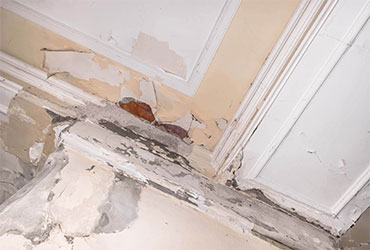
Damp Issues
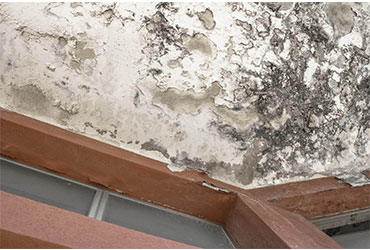
Mould Issues
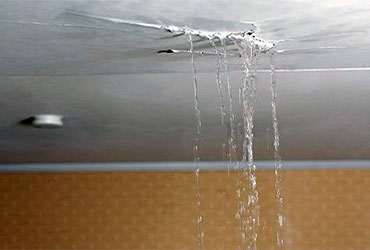
Water Leaks
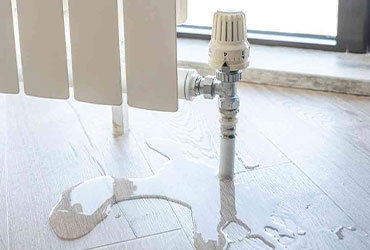
Heating Issues
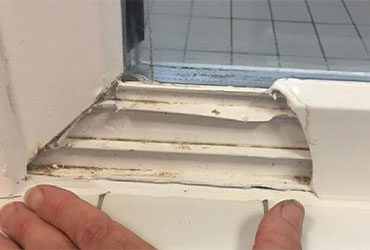
Damaged Windows
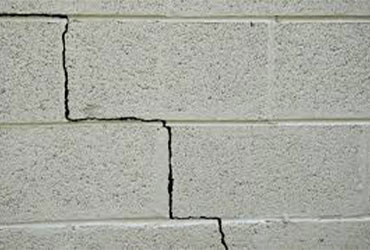
Structural Issues

Infestations
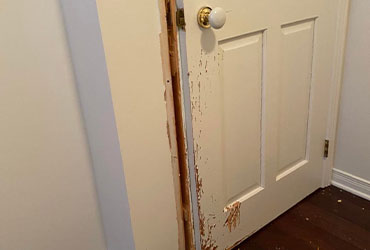
Broken Doors
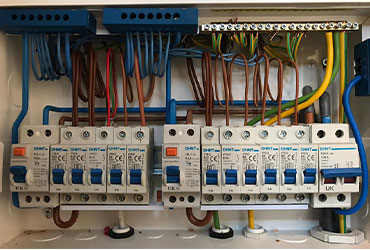
Electrical Issues

“I would definitely recommend SLS Solicitors Ltd for any disrepair claims against a local authority landlord – they are an upfront no win no fee firm and when they take your case on they will give it everything they have.
“I have found SLS to be utterly professional and they have resolved my issue far sooner than it would have been had I continued trying to contact the agent and the Council myself.
“First of all I would like to say how fantastic SLS solicitors are and if you are looking for a solicitor that will have good communication and are reliable i will say look no further!!
Posted 3 months ago
Some Towns and Cities Where We Work in England
Housing Disrepair Solicitors Bath
Housing Disrepair Solicitors Leyland
Housing Disrepair Solicitors Bradford
Housing Disrepair Solicitors Wakefield
Housing Disrepair Solicitors Brighton and Hove
Housing Disrepair Solicitors East Sussex
Housing Disrepair Solicitors Coventry
Housing Disrepair Solicitors Derby
Housing Disrepair Solicitors Doncaster
Housing Disrepair Solicitors Leeds
Housing Disrepair Solicitors Leicester
Housing Disrepair Solicitors Liverpool
Housing Disrepair Solicitors London
Housing Disrepair Solicitors Newcastle upon Tyne Housing Disrepair Solicitors Preston
Housing Disrepair Solicitors Salford
Housing Disrepair Solicitors Stratford
Housing Disrepair Wigan Housing Disrepair Solicitors Salisbury
Housing Disrepair Solicitors Sheffield
Housing Disrepair Solicitors Cambridge
Housing Disrepair Solicitors Stoke-on-Trent
Housing Disrepair Solicitors Wolverhampton
Housing Disrepair Solicitors Bolton
Some Towns and Cities Where We Work in Wales
Housing Disrepair Solicitors Bangor
Housing Disrepair Solicitors Gwynedd
Housing Disrepair Solicitors Cardiff
Housing Disrepair Solicitors Glamorgan
Housing Disrepair Solicitors Newport
Housing Disrepair Solicitors
Housing Disrepair Solicitors
Housing Disrepair Solicitors Newport City
Housing Disrepair Solicitors St Asaph (Llanelwy)
Housing Disrepair Solicitors Denbighshire
Housing Disrepair Solicitors St Davids
Housing Disrepair Solicitors Pembrokeshire
Housing Disrepair Solicitors Swansea
Housing Disrepair Solicitors Wrexham
Some Council & Housing Association Tenants We Cover:
Housing Disrepair Solicitors Bangor
Housing Disrepair Solicitors Gwynedd
Housing Disrepair Solicitors Cardiff
Housing Disrepair Solicitors Glamorgan
Housing Disrepair Solicitors Newport
Housing Disrepair Solicitors
Housing Disrepair Solicitors
Housing Disrepair Solicitors Newport City
Housing Disrepair Solicitors St Asaph (Llanelwy)
DO YOU WANT US TO REVIEW YOUR CASE FOR FREE TODAY?
Frequently asked questions
No. It is illegal for landlords to evict or threaten tenants for reporting disrepair or starting a lawful claim. This is called retaliatory eviction and is banned under the Deregulation Act 2015.
Yes, as long as they give reasonable notice (usually 24 hours). Always offer access in writing and keep a record if they don’t show up.
If mould is caused by structural damp, leaks, poor insulation, or ventilation issues, it is the landlord’s responsibility. Proper independent reports can prove this.
Do not stop paying rent without legal advice. Withholding rent can put you in breach of tenancy and risk eviction. Claims should follow the legal process instead.
If they ignore your reports and the Letter of Claim, your solicitor can issue court proceedings to force repairs and claim compensation.
Yes, if supported by medical evidence such as GP or hospital reports linking symptoms to your living conditions.
Most cases settle without a court hearing. If court action is needed, many still settle before a final trial through a Consent Order.
• Tenancy agreement
• Photos and videos of the issue
• Evidence of reporting (emails/screenshots)
• Timeline of events and any medical/bill receipts.
You still have full rights to a safe home. Housing disrepair laws apply regardless of income or benefit status.
Most claims are handled on a No Win No Fee basis. You don’t pay upfront, and legal fees are taken only if the case succeeds.