

Housing Disrepair Solicitors
Claims for Leaks & Plumbing Failures
Our No Win, No Fee housing solicitors can assist you in making a claim related to leaking pipes, burst pipes, water damage, blocked drains, or other plumbing failures in your home.
If you are a council or housing association tenant:
Experiencing leaks, water ingress, or burst/frozen pipes affecting ceilings, floors, walls, or personal belongings
Living in a property where plumbing issues persist due to structural faults, poor maintenance, or faulty installations
You may be eligible to bring a claim against your Social or Council Landlord to have the necessary repairs carried out and to seek compensation for damage, loss of use, distress, or health risks caused by leaks or plumbing failures. Acting quickly can prevent further property damage, mould growth, or safety hazards while ensuring your landlord meets their legal obligations.
FIND OUT IF YOU ARE ELIGIBLE TO CLAIM FOR REPAIRS AND COMPENSATION
What Counts as a Leak or Plumbing Failure?
What Are Leaks & Plumbing Failures?
Common Plumbing Issues – Types of Leaks & Plumbing Failures
A dripping ceiling, burst pipe, or any leak under the sink may seem like a small problem. But you may not know that this can quickly damage walls, carpets, furniture and put a lot of other unexpected damage.
Leaks and plumbing faults are very common in rented homes across England and Wales. They often cause water damage, mould, weakened structures, and safety hazards.
Water moves fast. What begins as a small patch on the ceiling can spread into hidden cavities, inside walls, water pipes, soak timber, and destroy insulation. By the time the stain appears, the damage is usually much worse behind the surface. When landlords ignore these issues, tenants not only lose the use of parts of their homes but also face real health and safety risks.
If your landlord knows about the problem but doesn’t act, you can take legal steps under housing disrepair law to make sure your home is properly repaired and safe to live in.
Infestations usually start quiet and scale fast: one mouse becomes many, cockroaches move through pipe chases in blocks of flats, bedbugs hitch a ride in a suitcase and set up in mattress seams. It isn’t about cleanliness when the problem keeps returning; it’s about the building.
Gaps around pipes, broken vents, cracked brickwork, leaky or unsealed drains, poor sealing between floors and walls — these are entry points. If your landlord delays and the pests keep coming, you may have a housing disrepair claim for repairs and compensation.
Across England and Wales, councils log thousands of complaints each year, with a big share coming from rented homes. The pattern is familiar: reports are made, cheap traps get laid, nothing structural is fixed, and the problem rolls on. You aren’t expected to live with that. The law requires rented homes to be safe, sanitary, and fit for human habitation. That includes being reasonably free from rodents, insects, and bedbugs.
For the full claim process (evidence, timelines, protocols), see our Housing Disrepair Claims UK – Pillar Page. For sewage-linked issues or drainage faults that drive infestations, check the Sewage & Sanitation Failures – Cluster Page.
Why They Matter – More Than a Stain on the Ceiling
Water damage spreads fast. It seeps through walls, rots timber, weakens ceilings, and creates real headaches for daily life. It also feeds mould and creates fire or shock hazards when it reaches electrical points. If the landlord ignores your report, they’re liable for repairs, safety restoration, and compensation for your losses.
Even minor leaks can escalate quickly, causing hidden damage behind walls and under floors that may not be visible immediately. Carpets, flooring, and furniture can be ruined, while damp walls can trigger respiratory problems or exacerbate asthma. Persistent water ingress can weaken structural elements like joists or plaster, making rooms unsafe to occupy. Electrical circuits exposed to moisture increase the risk of short-circuits or fire. Delays in repairs can also multiply costs, as more materials and labour are needed to fix worsening damage. Documenting everything early—photos, videos, and written reports—strengthens your claim and ensures your landlord cannot downplay the severity. Prompt action protects both your home and your legal rights.
Leaks and plumbing problems appear in many forms:
Burst pipes from freezing temperatures or corrosion
Leaking joints under sinks, baths, or toilets
Ceiling leaks from bathrooms or storm damage
Blocked drains or overflowing toilets caused by food particles or sanitary products
Cracked water tanks, boilers, or heating system pipes
Poorly sealed or worn-out washers and faulty installations
These are among the most common plumbing issues in UK rental properties.
Cold Weather, Frozen Pipes & Burst Pipes
Frozen pipes during cold weather often burst as ice expands inside the pipework. A burst pipe can flood ceilings, floors, and walls within minutes. Under tenancy law, landlords are responsible for preventing and repairing frozen or burst pipes caused by structural issues, poor insulation, or failing heating systems.
Who’s Usually Responsible?
Under tenancy law, landlords are required to keep all water installations, pipes, drains, and sanitation systems in good repair. That includes:
Water supply and drainage pipes
Basins, sinks, baths, toilets, and their fittings
Heating and hot-water systems
Hot water systems and boilers
Even if a pipe burst due to no maintenance, the responsibility is on the landlord. The same applies to leaks caused by structural issues like cracked roof tiles or broken seals around bathrooms. Tenants are only responsible for damage they directly cause through misuse or negligence—for example, blocking a toilet with non-flushable items or failing to report an obvious leak for months.
Summary Table
| Problem Type | Common Cause | Who’s Responsible |
|---|---|---|
| Burst or frozen pipes | Age, corrosion, freezing | Landlord |
| Ceiling Leak | Faulty bathroom seal or roof defect | Landlord |
| Blocked or overflowing drain | Structural or external cause | Landlord |
| Broken tap or Seal | Tenant Fault | Landlord |
| Misuse (sanitary products/Wipes) | Tenant Fault | Tenant |
Free case review. Expert advice. Regulated and insured solicitors.
Health, Safety & Property Risks from Plumbing Failures
Why These Risks Strengthen a Claim
Immediate Safety Hazards
There can be dangerous and serious risks of fire if water reaches electrical components. Ceiling leaks can also cause partial collapses, especially when water builds up above plasterboard or lighting fixtures. These are emergencies landlords are expected to act on within 24–48 hours once they’re told.
Secondary Risks – Mould and Damp
Persistent leaks cause mould to grow fast. The leaks that are not visible can have health risks such as coughing, breathing problems, or other health issues.
Damage to Belongings and Habitability
Water can silently ruin personal property—carpets, electronics, furniture, and clothing. When damage is caused by a landlord’s failure to repair leaking pipes, tenants can usually claim the replacement cost.
Your Legal Rights & Landlord Duties for Leaks and Plumbing
Your Core Legal Protections
Under housing law:
Landlords must keep the structure and exterior of the property in repair. That includes roofs, walls, ceilings, windows, and doors.
They must maintain all installations for water, sanitation, and heating. That covers pipes, drains, toilets, sinks, baths, and hot water systems.
They must ensure the property remains fit to live in. A property with ongoing leaks, water ingress, or plumbing failures can legally be deemed unfit for human habitation.
These duties apply to all tenancies—private, council, or housing association.
What This Means in Practice
If you’ve reported a leak, your landlord must:
Investigate the cause, not just the visible damage.
Arrange proper repairs—not a temporary patch or repaint.
Repair any resulting damage, including flooring, walls, or ceilings caused by water escape.
Act within a reasonable timeframe depending on severity.
If they ignore you, you can report the matter to the council’s environmental health department or begin the claims process for both repairs and compensation.
When leaks bring your health to risk or make your house unsafe, the landlord’s liability increases. The law expects landlords to act quickly once they’re aware. The longer they delay, the more they’re responsible for not only the repair but also the damage caused by the delay itself.
Delays can compound the financial and physical impact: water can weaken structural beams, damage walls, and create slippery floors. Electrical hazards may develop if water reaches sockets or appliances. Persistent damp encourages mould growth, which can trigger asthma, allergies, or other respiratory conditions. Courts consider both the physical damage and the distress caused by living in unsafe conditions. Prompt reporting and documentation strengthen your legal position and increase the likelihood of full compensation.
For example:
A leak in an upstairs flat damages the ceiling and electrics below → landlord liable for both.
A tenant’s belongings ruined by water ingress → landlord must pay replacement cost.
Mould growth after a long-standing leak → landlord owes additional compensation for distress and health risk.
Delayed repairs can also increase the cost of future maintenance, which may be added to the landlord’s liability.
Extended exposure to damp can worsen pre-existing medical conditions, strengthening claims for health-related damages.
Courts may take repeated neglect into account, leading to higher compensation for prolonged distress.
When the Landlord Tries to Shift Blame
Landlords often claim the issue is “just condensation” or that tenants didn’t ventilate properly. With leaks, that argument doesn’t hold—leaks are structural, not lifestyle-related.
Once water is escaping from plumbing or roofing, it’s a repair obligation, plain and simple.
Another common excuse is delay: landlords say they’re “waiting for parts” or “contractor availability.” That might justify a short delay, not months of inaction. If you’ve reported it and nothing’s been fixed within a reasonable time, you’re entitled to take legal action.
Evidence You Need to Build a Strong Leak or Plumbing Claim
Leaks can be messy to live with and even messier to prove unless you keep clear records. Evidence is what turns a complaint into a winning claim. It shows what happened, when it was reported, and how the landlord responded.
Claim the Compensation You Deserve
Free review. No Win No Fee.
Report Everything in Writing
Keep a Timeline or Logbook
Always report the leak in writing, even if you already mentioned it by phone. Emails, texts, and repair-portal submissions all count as valid notice.
Include:
Where the leak is coming from (e.g. “ceiling above bathroom,” “pipe under kitchen sink”).
When you first noticed it.
Any damage it’s caused (e.g. wet floor, bubbling paint, loss of electricity).
Attach photos and keep a copy of every message.
This simple step is critical—your landlord’s legal responsibility starts the moment you report the issue in writing.
Take Photos and Videos
Water damage changes over time. Take photos early and often:
Dripping tap
Water pressure issues
Corrosion
Active leaks
Damp patches
Changing damage over time
Retake them every week or after any failed repair. Visual proof demonstrates that the problem was ongoing, not occasional. Include wide shots to show the area context and close-ups for details. Time-stamp or label your photos to strengthen your evidence. Capture any damage to furniture, flooring, or personal belongings as well, and keep a record of before-and-after repair images. This comprehensive visual record makes your claim stronger and easier to support legally.
Record the sequence of events. Include dates, what you reported, and how your landlord responded. Even short notes help.
Example:
3 Feb – Leak reported under sink.
6 Feb – Contractor attended, temporary fix only.
10 Feb – Leak returned, ceiling damp again.
This timeline shows patterns of neglect or delay, and courts pay attention to it.
Gather Supporting Evidence
Add:
Receipts or photos of damaged furniture, flooring, or electronics.
Plumber or surveyor reports confirming cause and severity.
Medical letters if anyone’s health was affected by damp or mould from the leak.
Utility bills showing extra heating or cleaning costs.
Quick checklist:
Report email or message
Photos and videos
Timeline of events
Repair visits and invoices
Receipts for losses
Medical proof (if applicable)
The stronger your paper trail, the higher your chances of success and fair compensation.
Start your claim today
Upload photos or a short description of your damp or mould issue. A housing solicitor will review your case within one working day and tell you exactly what you can claim for.
Claim Now
Compensation – What You Can Claim for Leaks & Plumbing Failures
Step-by-Step Action Plan for Tenants
If your landlord failed to repair a leak or plumbing issue in reasonable time, you may be entitled to compensation. The law allows tenants to recover not just repair costs, but the losses and stress caused by living in those conditions.
How Compensation Is Calculated
Courts and solicitors usually apply a percentage of rent based on how much of the home was unusable, called the “diminution of rent” method.
Example:
Rent £1,000 / month.
Bathroom leak made bedroom unfit for 5 months.
30 % rent reduction = £1,500 compensation.
Add special damages for personal losses or extra costs (such as replacing carpets or furniture).
Additional Payments
You may also claim:
Replacement cost for personal property.
Re-decoration and repair of affected rooms.
Interest from the date the issue began until settlement.
If you succeed, the landlord usually pays your legal costs. Most solicitors handle these cases on a No Win No Fee basis, so you pay nothing upfront and only a capped success fee from your compensation if you win.
Types of Recoverable Losses
Loss of Use: percentage of rent for unusable rooms or spaces.
Distress and Inconvenience: the discomfort of living with leaks, damp, and disruption.
Damage to Belongings: cost of replacing water-damaged furniture, flooring, clothes, or appliances.
Health Impact: if leaks caused mould or worsened asthma.
Extra Costs: heaters, dehumidifiers, hotel stays, cleaning or laundry.
Typical Claim Values
| Severity | Example | Compensation |
|---|---|---|
| Minor leak fixed quickly | Small ceiling patch, repaired within weeks | 10–20% of rent |
| Moderate damage | One room unusable for months | 25–40% of rent |
| Severe, recurring leak | Multiple rooms affected, structural damage | 50–70% of rent |
| Extreme neglect | Home uninhabitable for months | 70–100% of rent + extras |
Leaks demand fast action. Here’s exactly what to do, step by step.
Step 1 – Report the Leak Immediately
Write to your landlord or letting agent describing the issue.
Include photos and the date you noticed it.
Request urgent inspection and repair.
Keep copies—they mark the start of the legal timeline.
Step 2 – Protect Your Belongings
Move valuables, electronics, and furniture away from the leak.
Document everything already damaged—this strengthens your claim later.
If the area becomes unsafe (sagging ceiling, exposed wiring), avoid it and inform your landlord right away.
Step 3 – Allow Reasonable Access
You must allow contractors in for inspection or repair, but only with reasonable notice (usually 24 hours).
If appointments are missed or cancelled, record the dates—those delays count in your favour.
Step 4 – Keep a Running Record
Update your timeline each time the issue worsens, or if the landlord fails to act.
Attach new photos after every rainfall or re-leak.
Keep receipts for anything you replace or extra heating costs.
Step 5 – If Ignored, Take Legal Steps
If weeks pass and nothing’s fixed, contact a housing disrepair solicitor. They’ll send a Letter of Claim under the legal pre-action protocol, including your evidence and losses.
Most landlords act fast once they receive this—it’s a formal legal warning.
Step 6 – Settlement or Court
If the landlord still delays, the case can proceed to court.
The court can:
Order repairs by a set date.
Award compensation.
Require the landlord to cover legal costs.
Most cases settle before trial through negotiation or a Consent Order, which enforces repairs and payment without a hearing.
Step 7 – Confirm the Repairs Are Done Properly
After repairs, check that the leak’s source—not just the damage—was fixed.
If the issue persists, reopen or file a new claim.Inspect ceilings, walls, and flooring for any remaining damp or staining. Take fresh photos after the repair work and monitor the area for several weeks to ensure the problem does not return.
Call for free case assessment and expert legal advice. We are a firm of regulated and insured Solicitors.

Don’t Let a Leak Drain Your Rights
A leak or plumbing failure isn’t just a nuisance—it’s a breach of your right to a safe, well-maintained home. When landlords delay or patch over problems, you don’t have to accept it. The law is on your side.
If you’ve reported a leak and the ceiling keeps dripping, walls stay damp, or your belongings are ruined, it’s time to act. A solicitor can review your photos and notes within 24 hours and confirm if you qualify for a housing disrepair claim. You could recover compensation for the damage, distress, and the months you spent living with it.
You don’t need to fight this alone. With proper evidence and legal help, you can make your landlord fix the issue properly and get paid for what you’ve endured.
Claim the Compensation You Deserve
Free review. No Win No Fee.
Additional Services We Offer
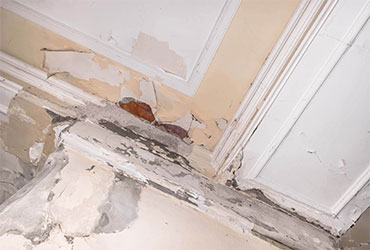
Damp Issues
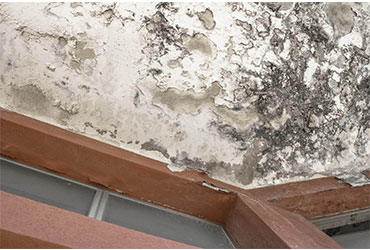
Mould Issues
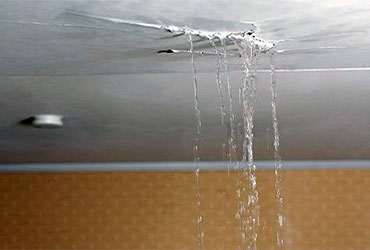
Water Leaks
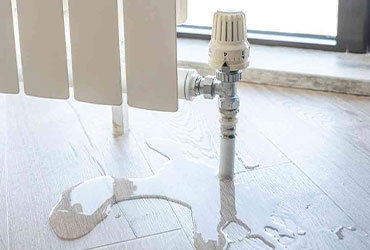
Heating Issues
Damaged Windows
Structural Issues

Infestations
Broken Doors

Electrical Issues
Call for free case assessment and expert legal advice. We are a firm of regulated and insured Solicitors.
No win, no fee. Our team are on hand, ready to help.
Why choose SLS Solicitors?
We strive to achieve the best possible result and solution for every one of our clients through our expertise and passion. We are straight talking, approachable and understanding.
Client care is at the very top of our priorities and you can be sure that we will look after you in your times of need.
You will be kept up to date throughout the process and we will only ever be a phone call or e-mail away.
Related Questions
Can I move out because of a leak?
You can only move out early if the property has become genuinely uninhabitable—for example, if the ceiling has collapsed or there’s no safe access to water or sanitation. In most cases, it’s better to stay put, collect evidence, and claim compensation while the landlord is forced to repair. Moving out without agreement could risk your tenancy or deposit.
My landlord fixed the leak but not the damage. Is that allowed?
No. Repairing the source of a leak is only half the job. The landlord must also repair the resulting damage—plastering ceilings, replacing flooring, or redecorating affected rooms. Leaving visible damp or damaged materials behind still counts as disrepair.
The leak keeps coming back after repairs. Can I claim again?
Yes. A recurring leak shows the repair wasn’t done properly. Every new failure can restart the claim timeline. If the same issue reappears within a few months, it often points to a deeper structural fault, which increases the landlord’s liability and your compensation.
What if the leak came from a neighbouring flat?
If the property is owned by the same landlord, they’re still responsible for repairs and damage to your flat. If it’s a private neighbour, your landlord must still coordinate access and ensure your home is put right. You shouldn’t be left living with the consequences while they “sort it out privately.”
Can I withhold rent until the plumbing is fixed?
No. You should not stop paying rent without speaking to our experts. You may face eviction or credit record issues. Instead, report the issue in writing, keep evidence, and pursue a formal claim. Compensation is paid later for the time you lived with the problem.
What if my landlord says they didn’t know about the leak?
Once you report it—even by text or email—they do know. The legal clock starts ticking from that moment. If they ignore your message or fail to inspect, that delay becomes part of your evidence.
How much compensation can I get for water damage?
That depends on the severity of the damage and the time it lasted. If the leaks were minor, it might result in a small rent refund, while major damage to multiple rooms or belongings can lead to several thousand pounds in compensation. On average, water-damage claims fall between 20%–60% of rent for the affected period.